
Embedding Safety Excellence
across the Network
Safety at Cube InvIT extends beyond compliance and is embedded into everyday operations across the portfolio. From highway users and frontline personnel to emergency response systems and construction activities, the focus remains on building a proactive safety culture supported by standardized processes, technology-led monitoring, continuous training, and rapid incident response mechanisms.
Road Safety
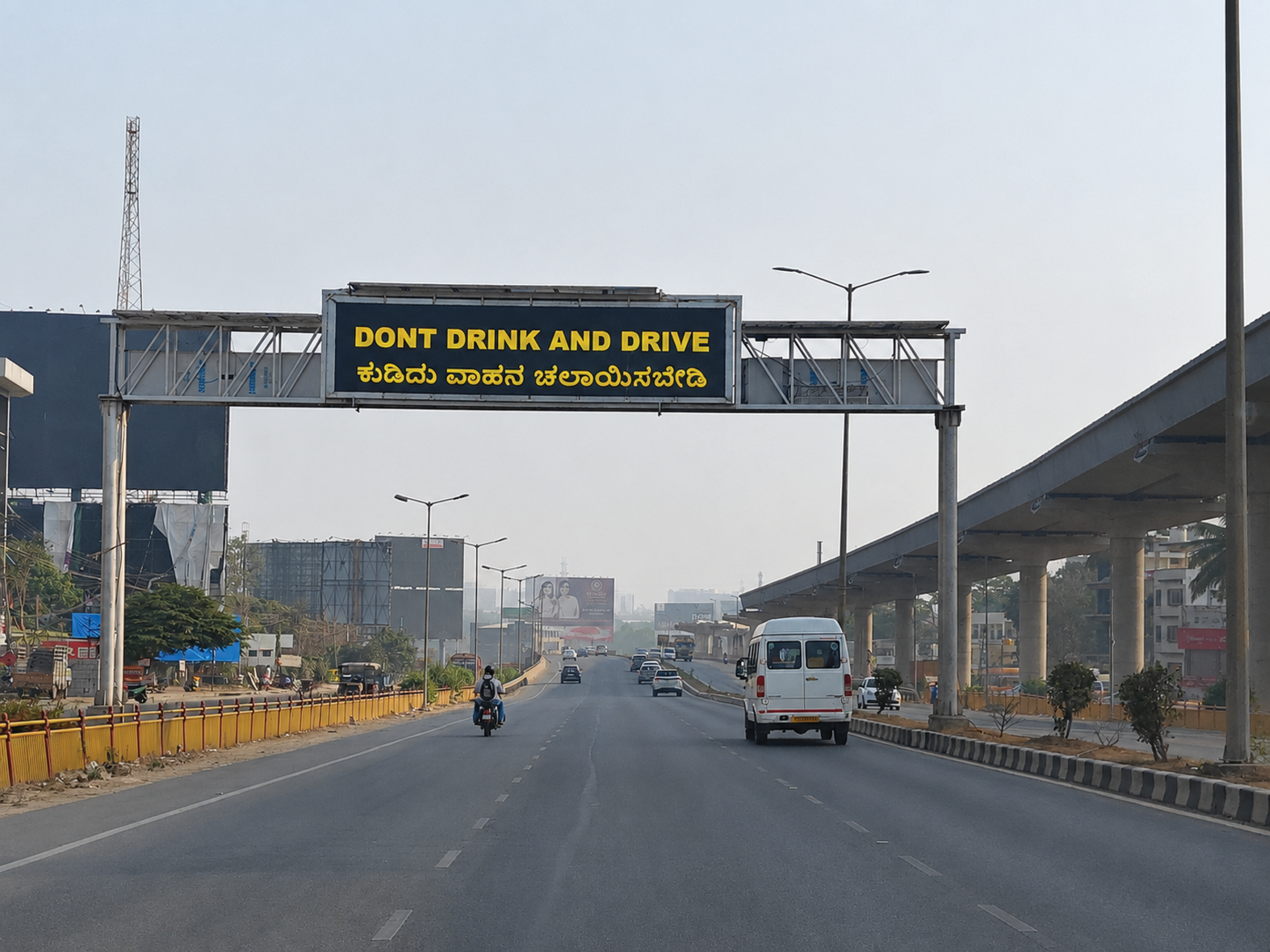
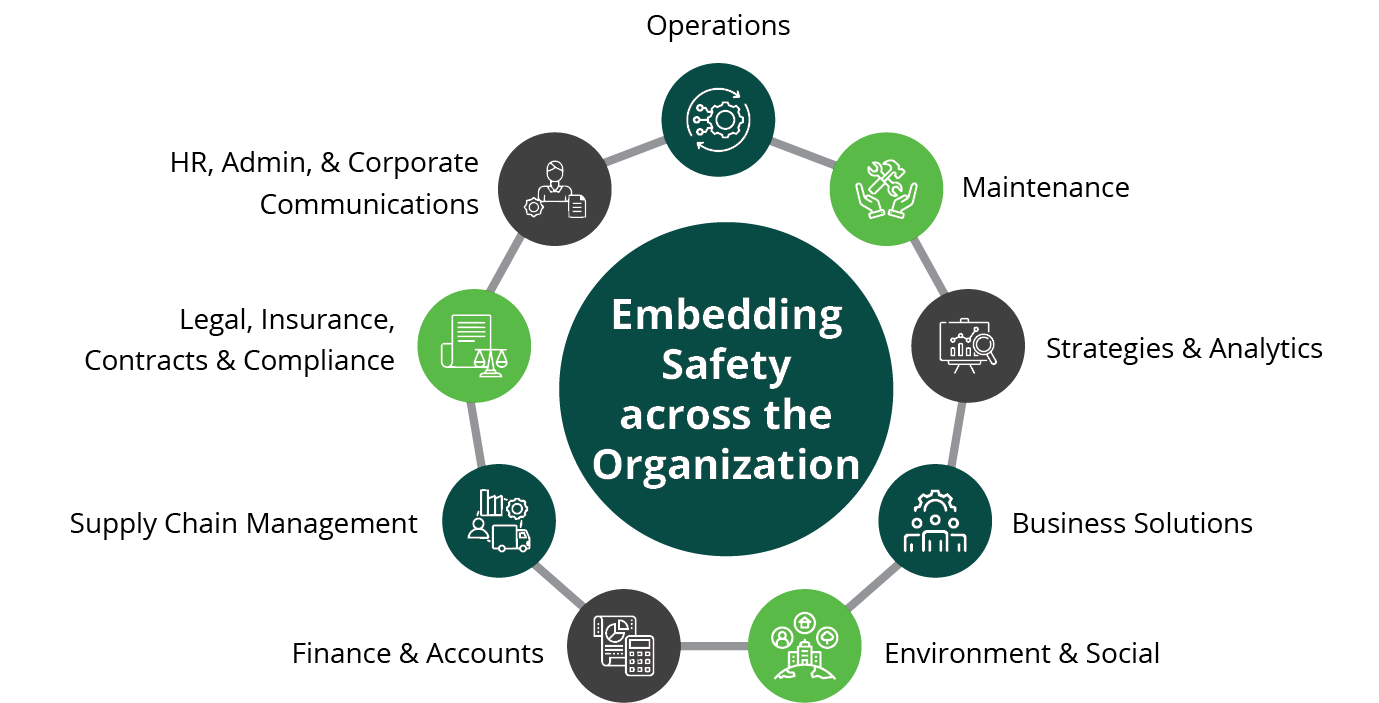
At Cube InvIT, we are committed to fostering a safer highway network through a comprehensive and organization-wide approach to road safety. We believe that safety is not confined to a single department but is a shared responsibility embedded across our operations. Every department plays a vital role in strengthening our safety culture, working collaboratively to ensure that safety remains integral to every aspect of our highway network management.
Highway Safety
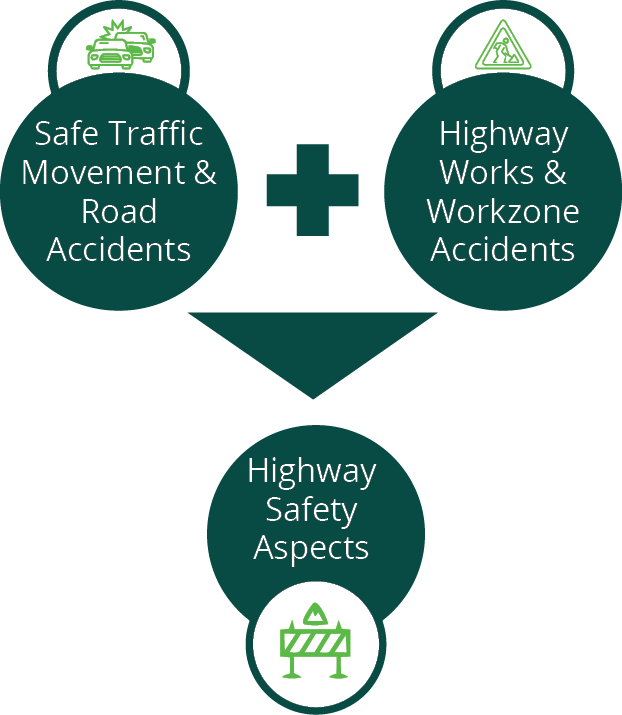
At Cube InvIT, safety is embedded into every aspect of our highway operations through a dual focus on road safety engineering and occupational safety. By combining proactive planning, preventive interventions, and continuous monitoring, we work to reduce accident risks, strengthen work zone safety, and create a safer, more resilient highway ecosystem for both road users and on-ground teams.
Occupational Safety
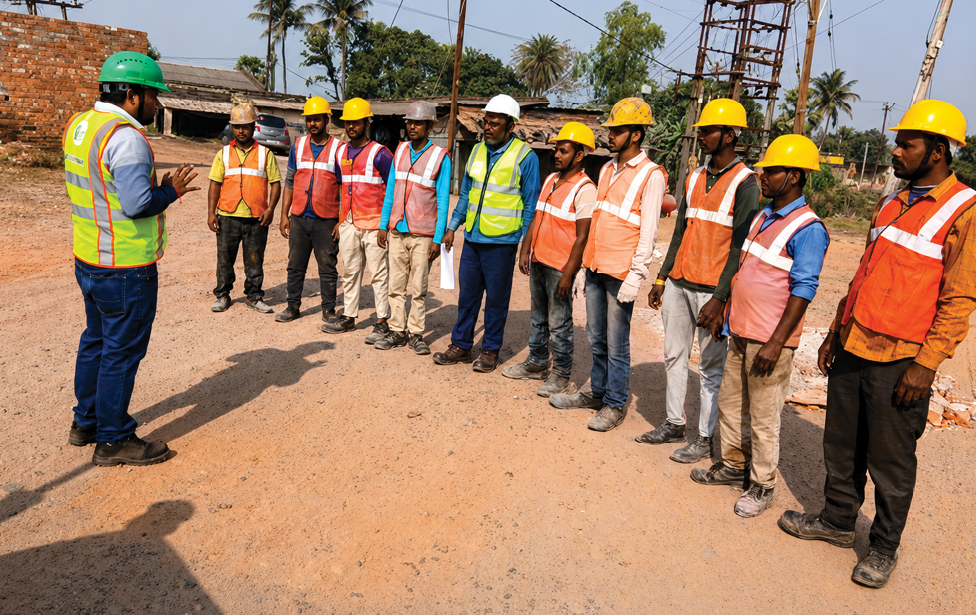
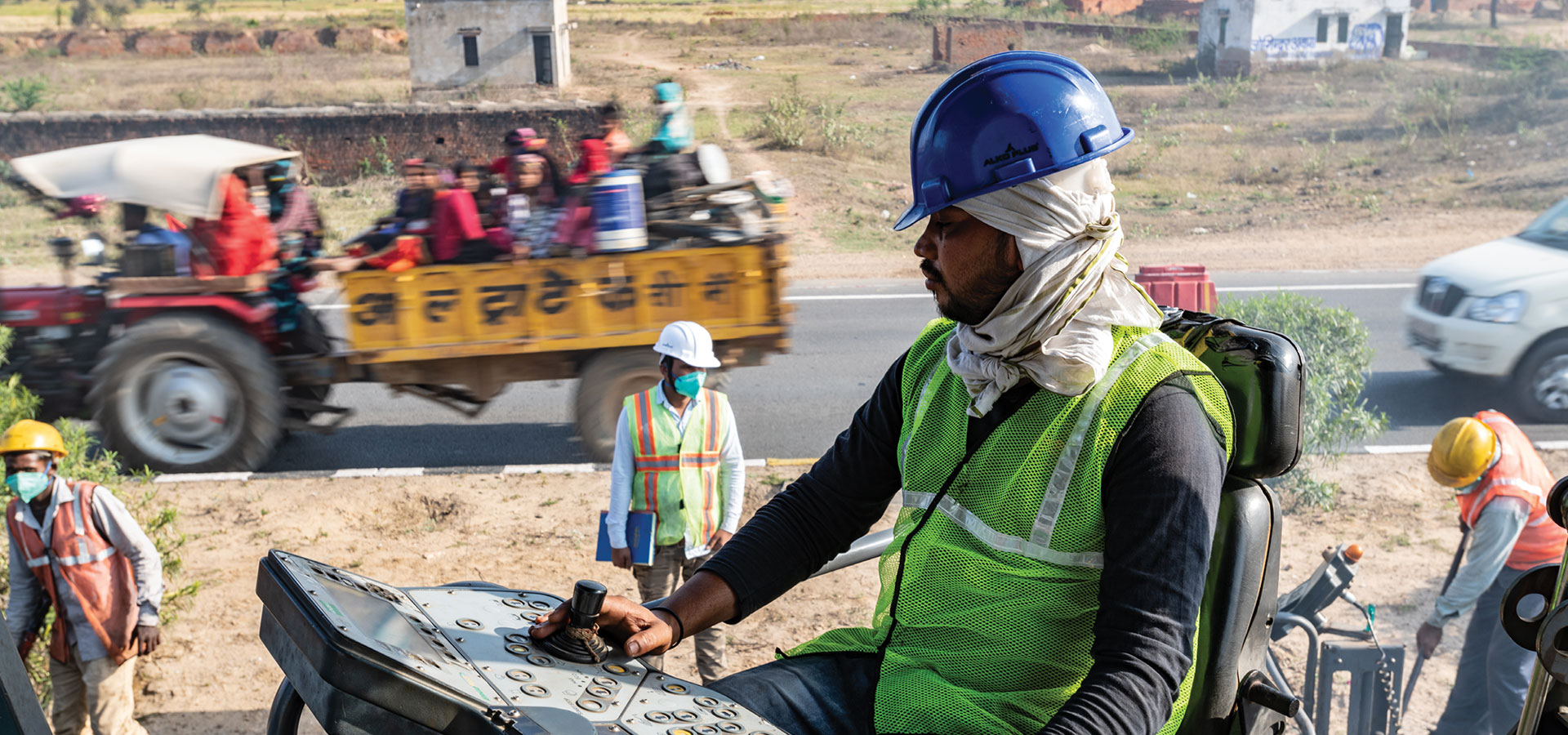
Occupational safety remains a critical component of highway safety, with nearly 450 work zones established daily across projects for operations and maintenance activities. Given the nature of highway operations, this work zones are often exposed to multiple on-site risks and safety challenges.
To address these challenges, we continue to strengthen operational processes, build a stronger culture of safety across the organization, enhance training and awareness initiatives and implement rigorous monitoring and feedback systems to improve workplace safety standards.
Traffic Exposure Risks
Several work zones operate in close proximity to high-speed vehicular movement, increasing the risk of incidents during maintenance and operational activities.
Workforce Challenges
High attrition among unskilled workforce can result in limited awareness and understanding of traffic-related hazards and safe work practices.
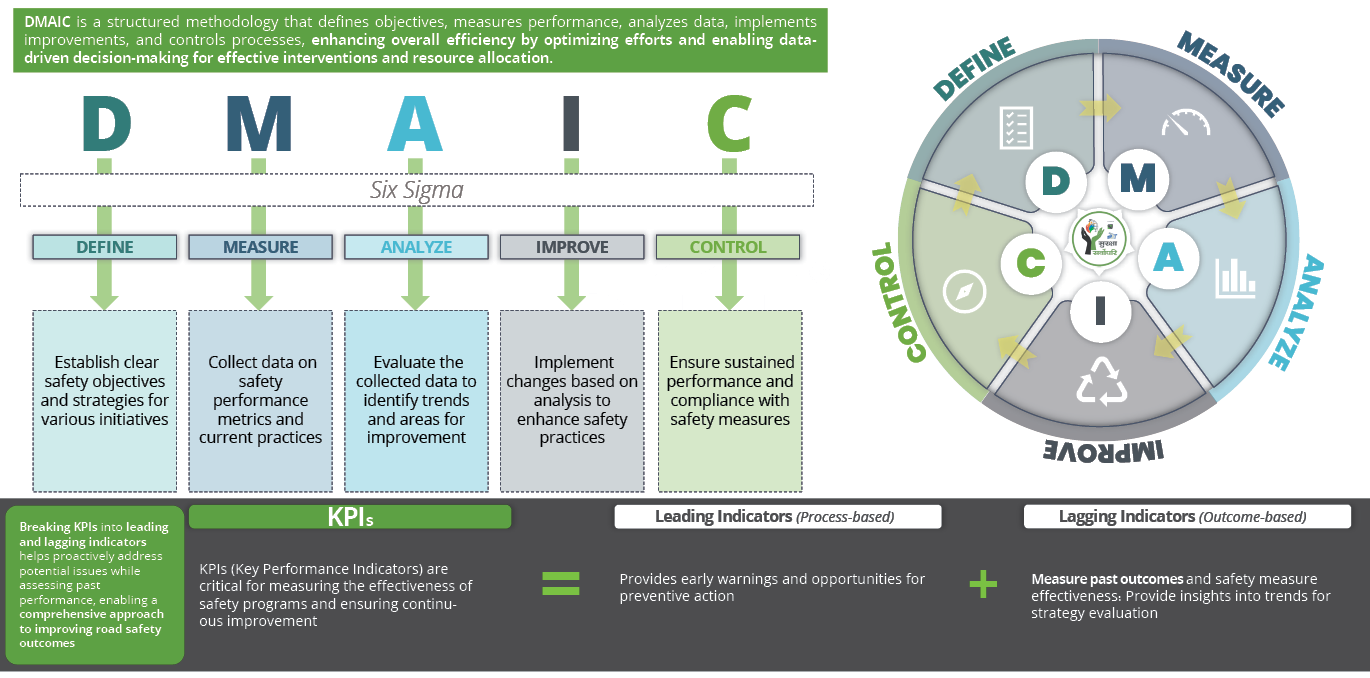
The DMAIC Framework
We adopt the DMAIC (Define, Measure, Analyze, Improve, and Control) methodology, bringing a disciplined, data-driven lens to safety management:
Operationalizing Safety through Integrated Protocols
We have developed a custom safety framework which translates intent into action through a set of structured protocols, organized across six key pillars:
A
Organization Level Implementation
- Process Flow
- Safety Program
- SPV level Performance Assessment & Management
- Vendor Performance Assessment & Management
B
Review and Improvements in Safety Practices & Strategy
- Review of Current Practices
- Risk and Exposure Reduction Processes/Strategy
C
Safety Engineering Measures
- Engineering Implementation and Road Accident Analysis
- Prioritization of Engineering Measures
- Standardization of Engineering Measures
D
Implementation of Monitoring and Feedback Mechanism
- O&M Implementation & Data Management
- Regular Feedback & Monitoring
- Innovation in Feedback & Monitoring
E
Safety Branding and Promotion
- Content Creation and Document Management
- Knowledge Assessment
- Promotion Programs
- Training & Development
F
Liaisoning & Communication
- Project Level
- Policy Level/Industry Representation
Initiatives and Transformational Impact
Across these six key focus areas, several initiatives were undertaken during the previous financial year, with many already progressing through the implementation phase and others in the pipeline. These initiatives have been categorized into critical areas of intervention, including:
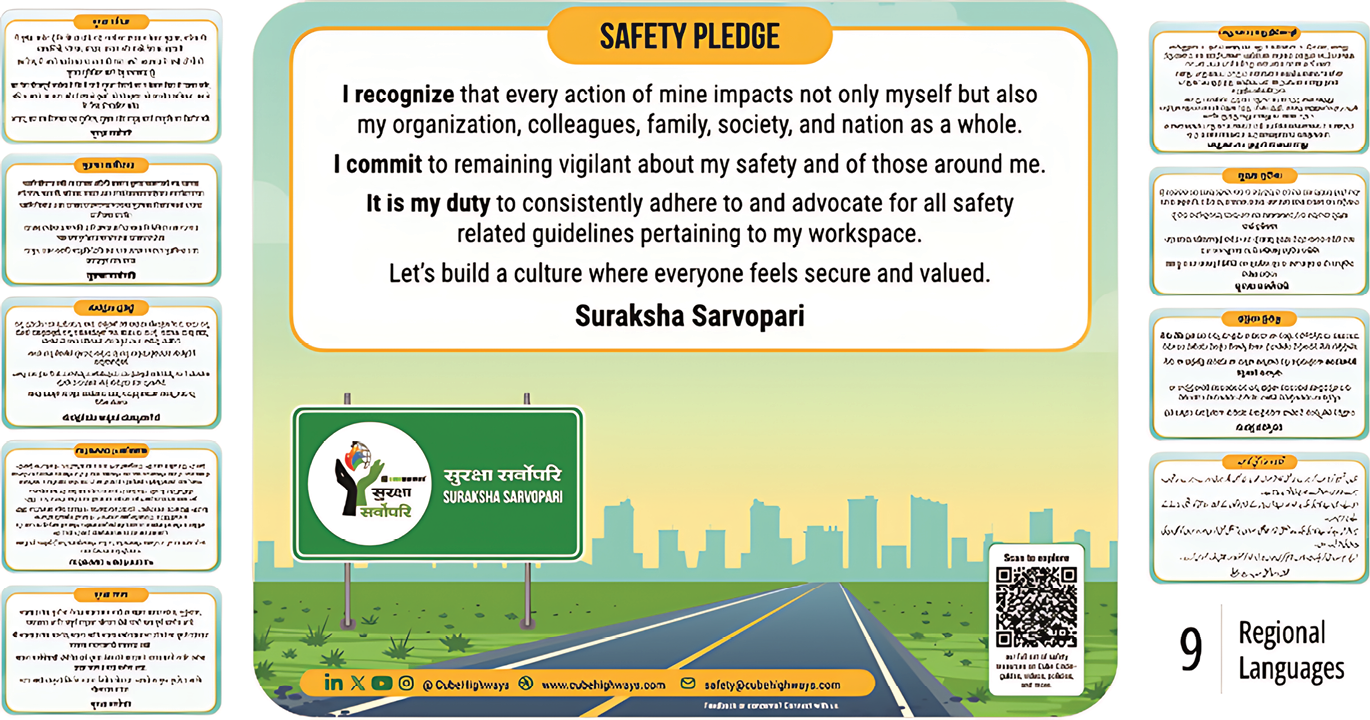
Unified Safety Pledge
- Introduced an organization-wide Safety Pledge to create a consistent, inclusive and engaging approach towards safety awareness across all locations.
- Developed and translated the pledge into nine regional languages to strengthen local connect while reinforcing a unified safety commitment.
- Implemented the pledge across the Head Office and all SPV offices, with prominent display for employees, visitors and officials to acknowledge and sign.
- Integrated pledge recitation into town halls and common sessions to reinforce safety as a shared organizational value.
- Strengthened safety awareness, leadership participation and accountability, further embedding a culture of collective responsibility across Cube InvIT operations.
Visitors Awareness Emergency Card
We launched the Uniform Emergency Visitor Card initiative to strengthen visitor safety awareness through standardized and easily accessible emergency guidance across locations. Implemented across Gurgaon, Noida, Hyderabad, and the R&D Centre, the initiative combines physical cards with QR-enabled digital access featuring evacuation plans, emergency contacts, and real-time updates to improve preparedness and response during emergencies.
Continuous Learning and Daily Engagement
Continuous capability development remains central to sustaining safety outcomes, supported by a strong and structured training ecosystem. Daily induction programs ensure workforce readiness, while toolbox talks create a consistent platform for real-time risk identification and awareness.
230
Tool Box Talks Conducted Per Day
One
Induction Training Conducted in a Day
Spreading Safety Awareness across Communities
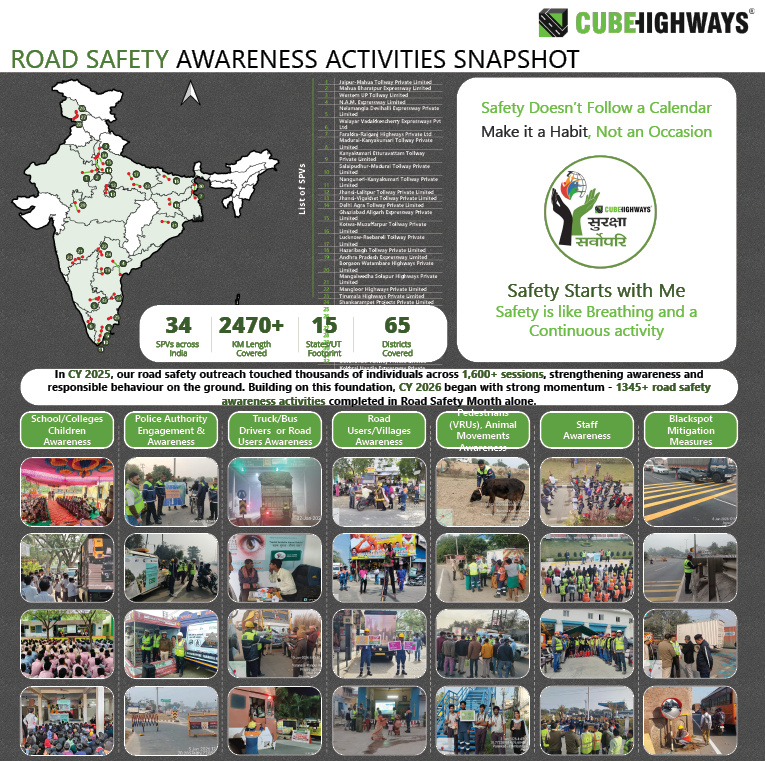
While road safety initiatives had previously been conducted across projects, National Road Safety Month (‘NRSM’) 2026 marked the introduction of a more unified, structured, and measurable organization-wide framework to drive greater consistency and impact. Implemented across 34 projects spanning over 2,470 km and 65+ districts, the program focused on key areas such as youth and pedestrian safety, responsible driving behavior, visibility enhancement, vision care, and animal-risk mitigation. Beyond stronger stakeholder engagement and KPI growth, the initiative reflected a broader shift from awareness-led compliance to behavior-driven responsibility, reinforcing road safety as a shared societal commitment.
World First Aid Day: Embedding Everyday Safety
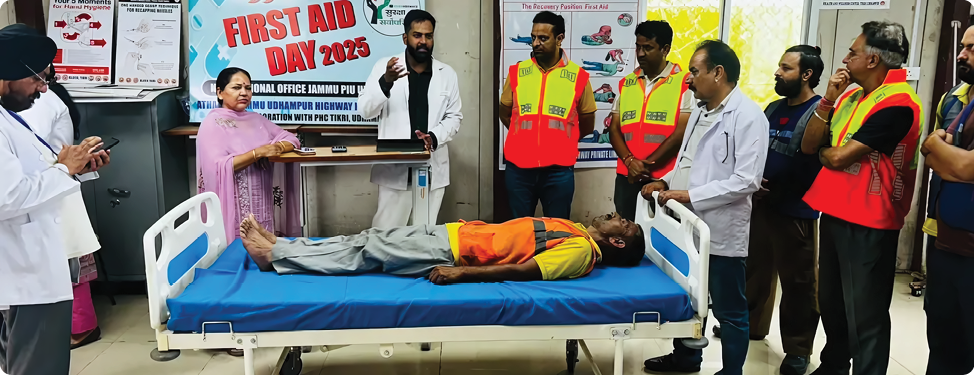
At Cube InvIT, World First Aid Day 2025 extended beyond a one-day observance into a sustained initiative focused on building a culture of safety across offices and project sites. Through focused training and on-ground demonstrations, the initiative reinforced a unified approach to emergency response, ensuring that safety remains a shared responsibility, practiced every day.
49.5 Hours
Immersive First Aid Training Delivered
1,825
People Reached with Life-saving Awareness
1,381
Employees Trained to Respond Swiftly in Emergencies
343
Collaborations with Local Hospitals and Certified Volunteers
Driving Accountability through a Unified Safety Scorecard
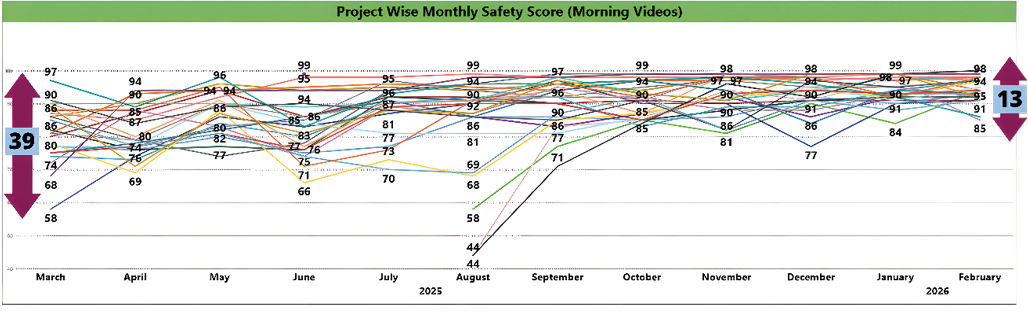
We introduced a comprehensive SPV Rating Framework to strengthen safety and operational performance through standardized metrics, defined weightages, and structured monthly reviews. The data-driven framework evaluates key parameters including work zone safety, IMS compliance, PPE usage, accident reporting, and safety trainings, enabling real-time visibility into operational gaps, stronger accountability, targeted corrective actions, and improved compliance across SPVs. Continuous feedback and best practice sharing further strengthened ownership, safety culture, and month-on-month performance improvement across operations.
Impact
-
Transparent and Comparable Performance Benchmarking
-
Early Visibility of Emerging Risk Areas
-
Focused and Data-driven Safety Improvements
Behavior-based Safety of Work Zones Using Technology-based Framework
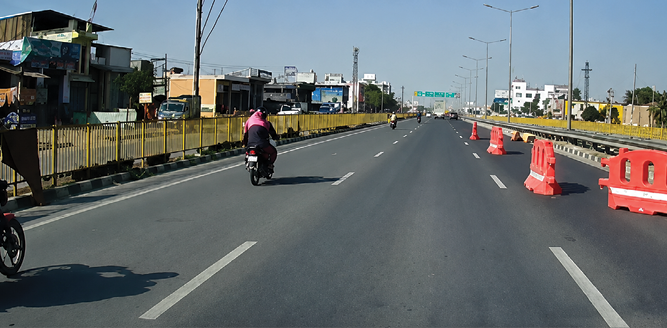
The strategy was developed to address a critical gap in work zone safety, the absence of a reliable mechanism to remotely monitor work zones and the lack of a system to assess effectiveness of work zone setup. This gap is particularly concerning, as 9,425 accidents and 3,904 fatalities were recorded in highway work zones in India (MoRTH Road Accidents, 2023). Work zones present elevated risks due to interactions between live traffic, workers, and construction equipment, while traditional manual inspections are infrequent, reactive, and unable to influence behavior in real time. To address these challenges, the strategy was to leverage the fact that patrol vehicles routinely pass through work zones. By integrating existing dashboard cameras in RPVs with geofencing technology, automated alerts are generated whenever an RPV passes a work zone, enabling random and real-time monitoring. This provides a cost-effective solution for continuous oversight without the need for additional inspection teams. Video at the time of alert creates location-specific time-stamped evidence that allows remote identification of unsafe acts and initiate immediate corrective actions. A key innovation of the strategy was the development of Vendor Scoring System for performance assessment. Using captured videos, work zones are evaluated against defined safety parameters such as taper length and arrangement, buffer zone adequacy, cone spacing, signage placement, and compliance with approved SOPs. These parameters are converted into safety scores, enabling performance tracking, repeat defaulters’ identification and targeted data-driven training.
This approach was selected as the most effective solution as it combines real-time oversight, Behavior-Based Safety, and objective performance measurement while reducing inspection time and operational costs. Key performance indicators included the frequency of safety deviations, time to corrective actions, and trends in repeat non-compliance. Overall, the strategy delivers a scalable, evidence-based model that strengthens work zone safety and delivers measurable transport and societal benefits.
Extending Safety Standards across the Value Chain
We have embedded safety beyond our core operations through a structured Vendor Safety Assessment Mechanism, ensuring that all partners adhere to defined safety and quality standards. Vendors are periodically evaluated through on-site assessments and a robust scoring framework, enabling early gap identification, targeted training, and corrective actions. Persistent non-compliance is escalated, reinforcing a zero-tolerance approach.
We standardized Work Zone Shadow-cum-Material Vehicles in CY 2025 to strengthen on-ground safety. Scaled from a prototype at JMTPL to 100+ vehicles across the portfolio, these interventions enhance visibility and protection in active work zones, supported by clear SOPs, while continuous vigilance remains essential given on-road risks.
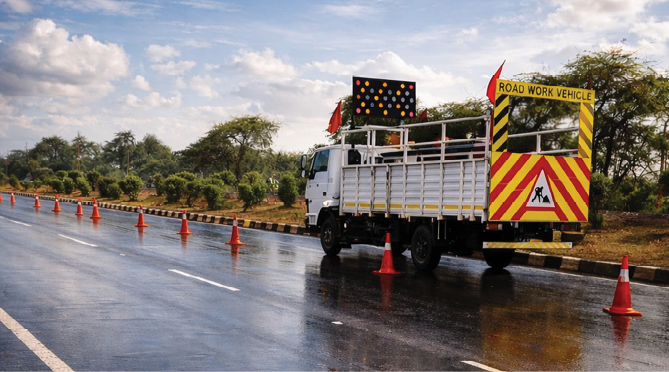
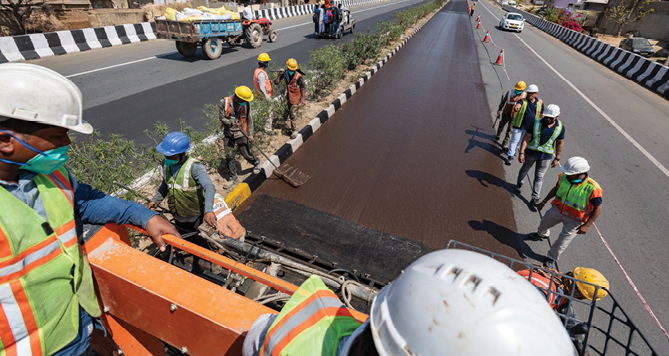
Strengthening Work-Zone Safety through Innovative Solutions
Impact
-
Strengthen Vendor Compliance and Ownership
-
Establish a Clear Accountability Framework
-
Elevate Safety Standards across the Ecosystem
In addition, we introduced Recycled Tyre-Based Impact Attenuators at bridge approaches to improve driver guidance and reduce crash risks through high-visibility markings, reflective delineation and practical traffic calming measures, particularly during low-visibility conditions. To further strengthen work-zone safety, we deployed modular Safety Trolleys with retro-reflective sign boards, designed for flexible movement and clear safety communication across varying site conditions. Together, these initiatives have enhanced work-zone protection, improved traffic discipline and reinforced safer highway operations through scalable, resource-efficient solutions.
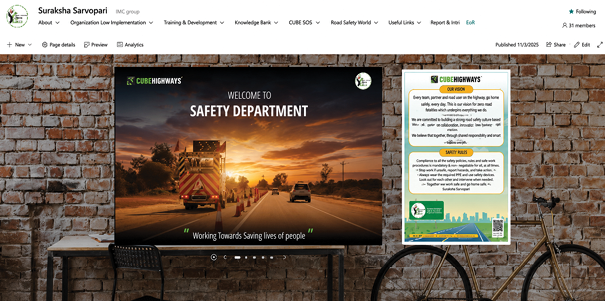
Suraksha Sarvopari
To eliminate information silos and accelerate response times, we developed the Suraksha Sarvopari Portal, a unified digital ecosystem that brings together SOPs, real-time dashboards, critical contacts, and knowledge resources on a single platform.
By integrating data and access into a single interface, the portal empowers teams to make faster, more informed safety decisions and respond with greater agility on the ground.
Objectives
-
Seamless Access to Critical Safety Information
-
Enhanced Coordination across Teams and Locations
-
Faster and Insight-led Safety Responses
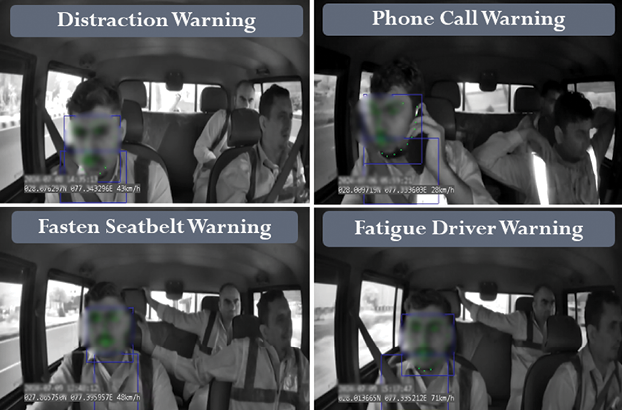
Driving Safety Intelligence through Real-Time Visibility
DashCam-enabled monitoring plays a dual role in strengthening on-ground safety and operational discipline. It not only tracks driver behavior, capturing critical indicators such as seat belt compliance, fatigue, distraction, and mobile usage, but also provides real-time visibility into work zones to ensure adherence to established SOPs. As the RPV traverses project stretches, live footage is actively reviewed to identify potential risks or areas of improvement within work zones. This enables immediate, actionable feedback to site teams, ensuring swift corrective measures and the continuous enhancement of safety practices.
47%
Reduction in Distracted Driving Incidents
49%
Drop in Mobile Phone Usage while Driving
39%
Decline in Seat Belt Violations
15%
Decrease in Fatigue-related Driving Alerts
Driver Behavior Study with Nagoya Electric Works (MoU)
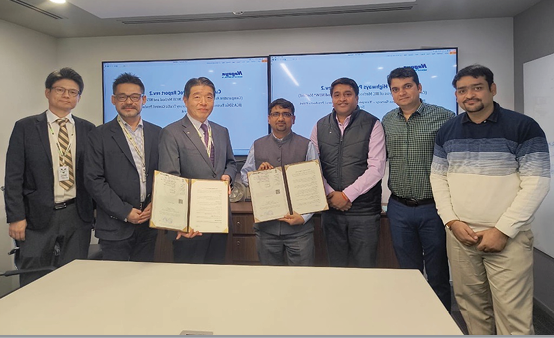
We initiated a comparative study with Nagoya Electric Works to assess driver behavior and evaluate work-zone safety effectiveness by benchmarking IRC practices against Japanese work-zone safety methodologies. The study focuses on understanding how traffic control layouts, visual communication and work-zone design influence driver response in dynamic highway environments.
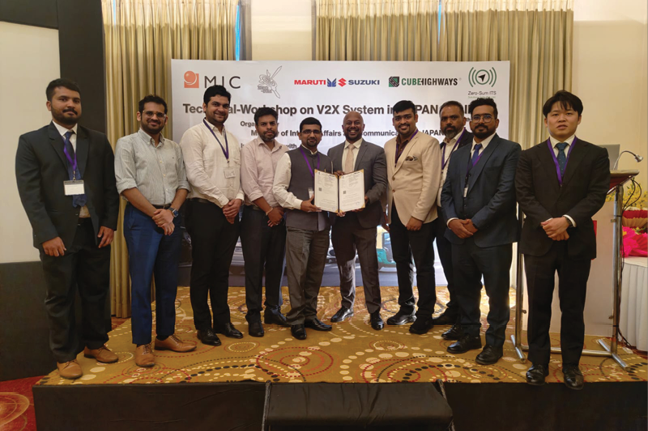
V2X Safety Pilot Workshop with ZSITS (MoU)
Through an MoU with ZSITS, we initiated an exploratory V2X Safety Pilot to evaluate the applicability of connected vehicle and infrastructure technologies for Indian highways. The pilot includes live demonstrations, work-zone simulations, and deployment across select locations to assess the potential of V2X solutions in improving situational awareness, safety communication, and overall highway safety management.
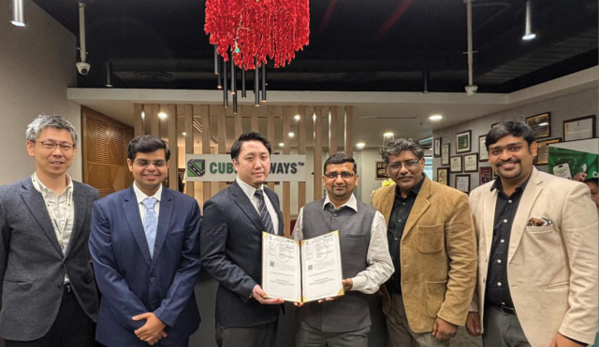
Connected-Vehicle Safety Pilot with Honda (MoU)
In collaboration with Honda, we launched a Connected-Vehicle Safety Pilot aimed at advancing proactive and data-driven highway safety management. The initiative leverages connected-vehicle analytics on selected highway stretches to identify road damage, unsafe driving patterns and emerging high-risk zones based on real-world vehicle behavior and sensor-generated insights.
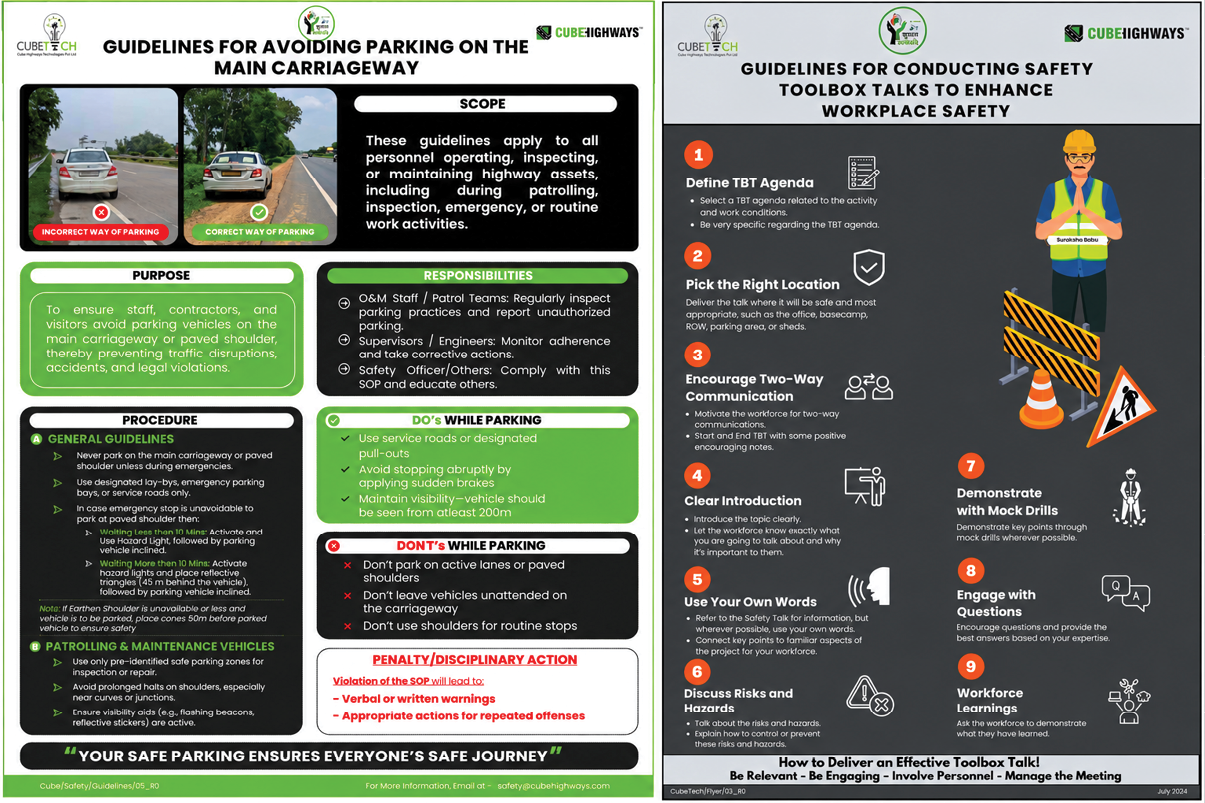
Incident Learning Flyer Series
We introduced the ‘Learning Flyers Series’ initiative to systematically capture and disseminate critical learnings from road accidents and work-zone incidents across the portfolio. The initiative was designed to move beyond isolated incident management by converting real-life events into organization-wide learning opportunities.
Each flyer highlights key contributing factors, lessons learned and corrective actions implemented, enabling teams to better understand incident root causes and preventive measures.
Redefining Incident Response on Highways
A simple observation led to a transformative innovation.
Traditional Route Patrol Vehicles (RPVs) often struggled with inefficient storage and accessibility of emergency equipment, impacting response times and equipment condition.
Addressing this, Cube Highways Technologies developed a closed-cabinet storage system designed to improve organization, safety, and hygiene within RPVs. The solution was demonstrated to NHAI, where its practicality and impact were immediately recognized. What began as an internal improvement has now been mandated at a national level, setting a new benchmark for highway incident response systems.
Impact
-
Faster, Safer and More Efficient Incident Response
-
Improved Equipment Reliability and Hygiene
-
Recognition and Adoption at a National Scale
Engineering Safer Toll Plazas
A targeted intervention helped transform a critical risk area.
High-risk toll plaza lanes lacking protective infrastructure were identified as vulnerable points with high accident severity. In response, Bull-Nose Water Barriers were strategically deployed across these locations. Unlike rigid concrete structures, these barriers are designed to absorb and dissipate impact energy, significantly reducing the severity of collisions while improving driver safety. This proactive upgrade has strengthened toll plaza safety by combining engineering design with risk foresight.
Impact
-
Significant Reduction in Collision Severity
-
Safer Toll Plaza Environments for Road Users and Staff
-
Reinforcement of Proactive Risk Mitigation Practices
Participation in national Level Engagements
As part of capacity building across industry we focus on strengthening engagement with industry bodies, government authorities and key stakeholders through active participation in conferences, forums and knowledge-sharing platforms. Our teams regularly contribute as speakers and participants, sharing insights, best practices and emerging advancements in road safety to encourage collaborative learning and industry-wide improvement.
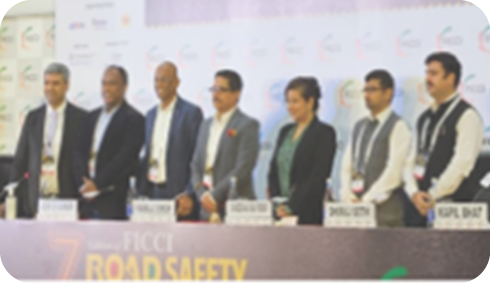
FICCI Road Safety Symposium 2025 - Speaker
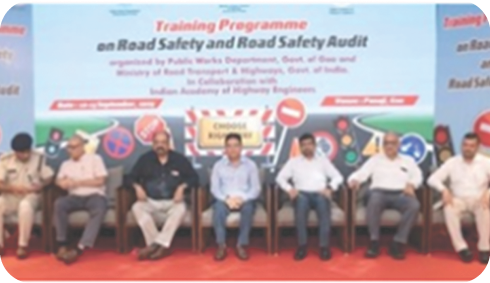
Training Program on Road Safety – Trainer & Speaker

Maharashtra & Goa PWD Engineers Training Session by IAHE - Trainer & Speaker

EPC World Conference on Smart Highways – 2025 - Speaker
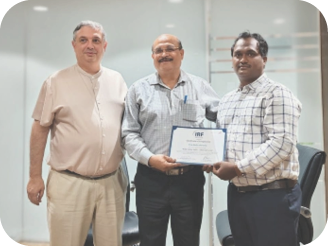
International Road Safety Auditor Course by IRF – Cleared Successfully

FICCI - India–Spain CEOs Forum Infrastructure Engagement
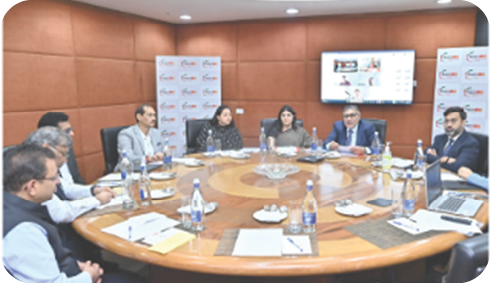
FICCI - Roads & Highways Committee Engagement 2026 - Speaker
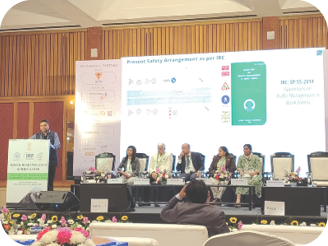
Global Road Infratech Summit and Expo (GRIS) 2026 organized by International Road Federation (IRF) - Speaker
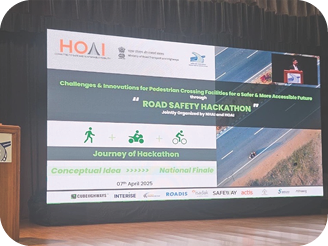
National-Level Road Safety Hackathon for improving Pedestrain crossing facalities organized by NHAI and HOAI – Working Committee
Participation in national Level Engagements
As part of capacity building across industry we focus on strengthening engagement with industry bodies, government authorities and key stakeholders through active participation in conferences, forums and knowledge-sharing platforms. Our teams regularly contribute as speakers and participants, sharing insights, best practices and emerging advancements in road safety to encourage collaborative learning and industry-wide improvement.
FICCI Road Safety Symposium 2025 - Speaker
Training Program on Road Safety – Trainer & Speaker
Maharashtra & Goa PWD Engineers Training Session by IAHE - Trainer & Speaker
EPC World Conference on Smart Highways – 2025 - Speaker
International Road Safety Auditor Course by IRF – Cleared Successfully
FICCI - India–Spain CEOs Forum Infrastructure Engagement
FICCI - Roads & Highways Committee Engagement 2026 - Speaker
Global Road Infratech Summit and Expo (GRIS) 2026 organized by International Road Federation (IRF) - Speaker