Advancing Environmental Stewardship
During the year, the organization undertook initiatives to assess climate-related risks, and drive decarbonization across operations. It also focused on scaling Miyawaki plantations, water stewardship and adoption of a sustainable approach during maintenance to support low-carbon infrastructure development.
Energy Management and Decarbonization
Energy efficiency is a core pillar of Cube InvIT’s sustainability strategy, supporting operational efficiency while reducing environmental impact. The organization’s primary energy consumption is driven by toll plaza buildings, toll booths, and highway lighting, powered through a mix of grid electricity, open access procurement, and captive sources, including onsite solar and diesel generator sets.
As part of its decarbonization roadmap, Cube InvIT conducted detailed energy assessments through a third party across high-emission assets, including DATRPL, WVEPL, and MSHPL, identified based on the CY 2023 greenhouse gas inventory. In addition, energy audits were initiated for GAEPL and SIPL in January 2026 to further expand the scope of energy performance improvement initiatives. Based on the insights from the assessments, decarbonization strategies with targeted measures are being implemented in a phased manner. These measures aim to reduce fuel and electricity consumption and related emissions intensity, minimize the use of ozone-depleting substances, and strengthen climate-aligned asset management practices.
Environmental Strategy
Cube InvIT’s environmental strategy is anchored around five foundational pillars, each representing a key dimension of its ESG vision:
-
Biodiversity Conservation

-
Climate Change and Decarbonization

-
Energy and GHG Emissions

-
Water Stewardship

-
Circularity

Impact Snapshot
1,38,419 GJ
Total Energy Consumption
9,086 tCO2e
Total Emission Reduction
Key Initiatives
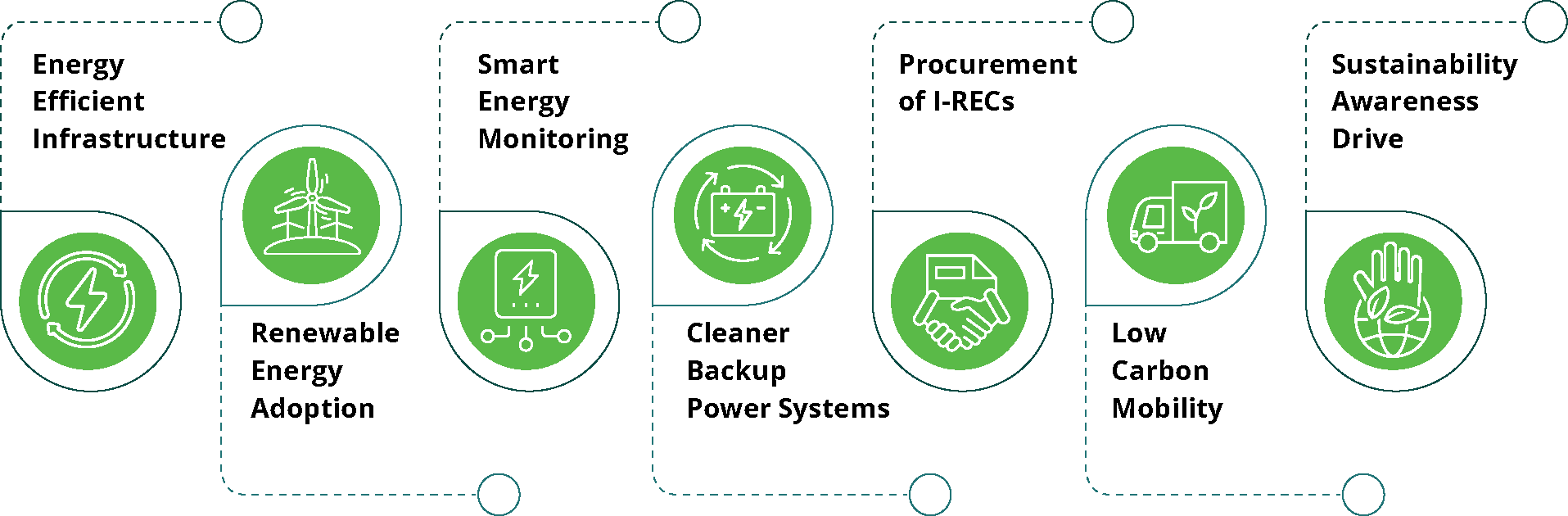
Energy Efficient Infrastructure
Actions were initiated with formalizing energy efficient procurement for lighting and appliances. These include energy-efficient LED streetlights and floodlights, as well as Bureau of Energy Efficiency (BEE) five-star-rated appliances such as air conditioners and refrigerators, ceiling fans and diesel generator (DG) sets.
Impact Snapshot

29 BEE 5 Star ACs
Deployed across select assets

Pilot initiated for replacement of conventional LEDs with low wattage lighting systems

12
BLDC ceiling fans at one asset
Renewable Energy Adoption
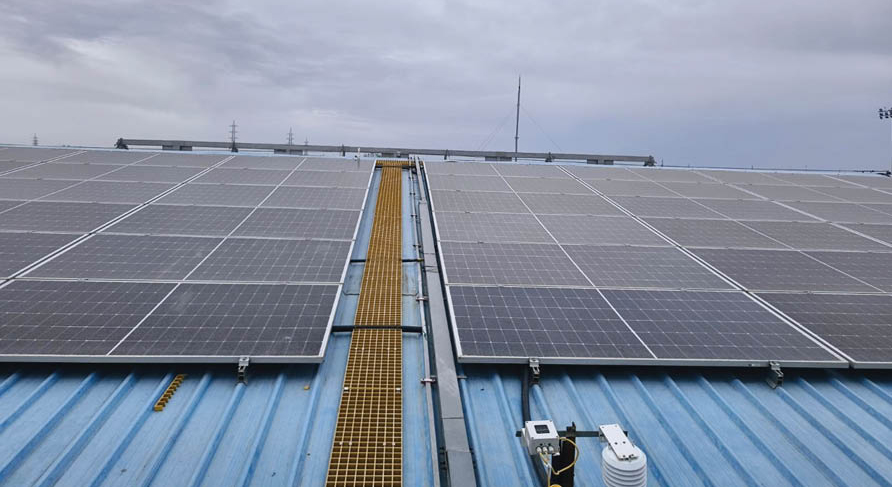
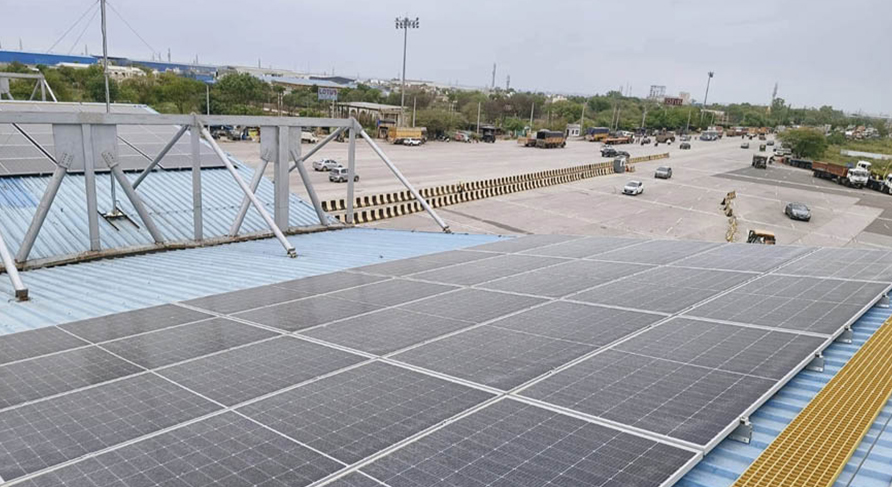
Cube InvIT expanded renewable energy adoption through rooftop solar installations and power purchase arrangements. Solar capacity was earlier installed at JMTPL and WUPTPL. In FY 2026, the organization executed solar PPA across three toll plazas at DATRPL, with a total installed capacity of approximately 395.7 kWp.
Impact Snapshot
~92 tCO2e
GHG emissions reduced
~502 kWp
Installed solar capacity
1,38,140 kWh
Renewable energy generated
Solar based ATMS: Installation of solar panels for the ATMS system to enable a shift from grid electricity to a hybrid renewable energy source. Installed at JLTPL in FY26. Total installed across seven assets.
Case Study
Solar Powered Toll Infrastructure at DATRPL
Accelerating Decarbonization Through Renewable Energy Integration
Location
DATRPL Toll Plazas
Focus Area
Renewable Energy | Climate Action Low Carbon Infrastructure
Issue
DA Toll Road Private Limited (DATRPL), a six-laned highway project spanning approximately 180 km, is among the highest energy consuming assets within the portfolio due to its operational scale and continuous tolling activities.
A detailed external energy audit conducted in 2024 identified renewable energy integration as a key intervention to reduce dependence on conventional grid electricity and support long term decarbonization.
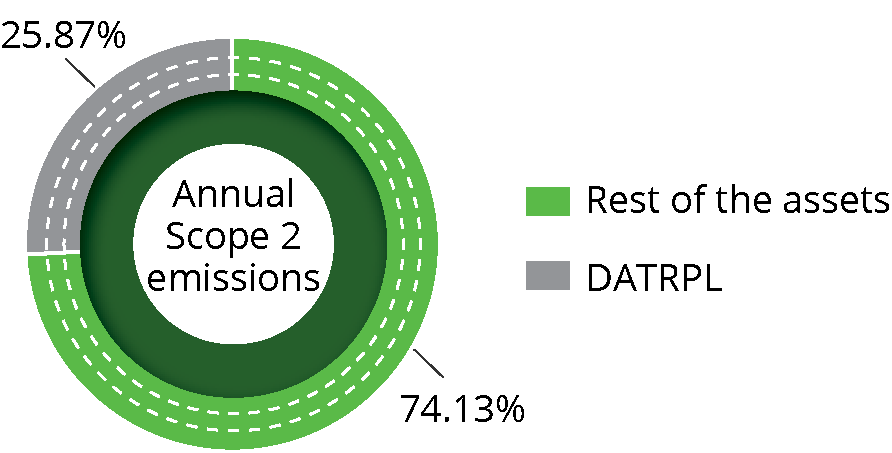
CY 2024-DATRPL contributed ~ 25% scope 2 emissions of total assets, of which ~13% is attributed to 3 toll plazas
Solution
Cube InvIT implemented rooftop solar power systems across three toll plazas under a Power Purchase Agreement (PPA) model, with a combined installed capacity of 395.71 kWp. To optimize limited infrastructure space and ensure uninterrupted tolling operations, solar panels were strategically installed on toll plaza canopies, addressing unique techno-commercial and operational challenges. The generated renewable energy supports toll plaza lighting, office buildings, surveillance systems, and other operational utilities.
Outcome
- Deployed 97.12 kWp, 100.23 kWp and 195.36 kWp renewable energy capacity across Karman, Mahuan and Gadpuri operational toll plazas respectively
- Achieved annual reduction of approximately 300 tCO2e emissions through clean energy generation
- Reduced dependence on conventional power sources and improved operational energy efficiency
- Advanced Cube InvIT’s decarbonization roadmap and low carbon infrastructure
Smart Energy Monitoring and Strengthening Energy Data Recording
Impact Snapshot

IoT based monitoring
piloted at select toll plazas

Portfolio wide standardization of energy reporting formats
Technology-enabled monitoring systems are being deployed to enhance energy management and improve consumption visibility across the portfolio. A pilot IoT-based monitoring system was implemented for 54 streetlights at DATRPL. IoT devices were also installed on diesel generator sets at NDEPL to monitor fuel consumption, operating hours, and energy generation.
In addition, energy and fuel reporting formats have been standardized across all SPVs to support portfolio-level monitoring and greenhouse gas emissions estimation and related reduction planning.
Cleaner Backup Power Systems
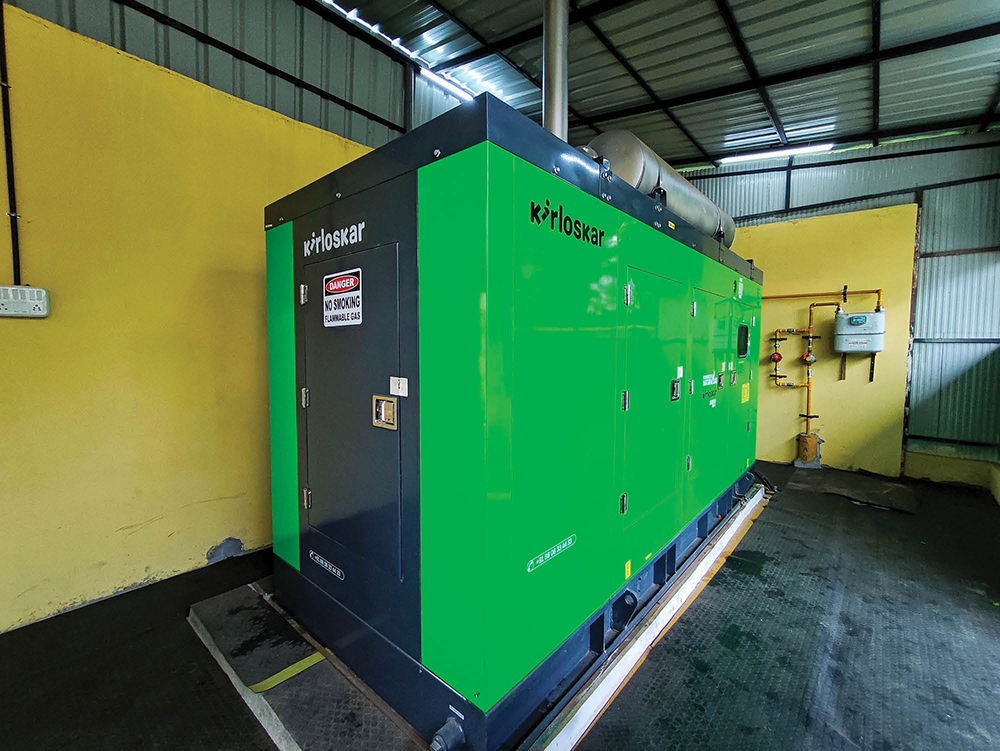
Initiatives are underway to reduce emissions from backup power generation through upgrades to generator systems. Where required, older diesel generators are being replaced with updated units while also exploring gas-based gensets. Accordingly, a CPCB IV-compliant 180 kVA generator unit was installed at Mahuvan Toll Plaza-DATRPL. A 125 kVA gas-based generator has also been deployed at WVEPL, offering lower emissions compared to conventional diesel systems
Procurement of Renewable Energy Certificates (I-RECs)
Cube InvIT utilized International Renewable Energy Certificates (I-RECs) as a market-based mechanism to address Scope 2 emissions in line with the GHG Protocol. This approach enables credible accounting of renewable energy consumption in line with the GHG Protocol while facilitating the transition towards long-term renewable energy solutions.
During the reporting period, I-RECs were procured and retired for strategically selected high-emission assets(DATRPL, GAEPL and SIPL), contributing to a reduction in market-based Scope 2 emissions for CY 2025.
Impact Snapshot
6,000
I-RECs Procured
~4,014 tCO2e
GHG emissions reduced
Low Carbon Mobility
Cube InvIT continued the deployment of electric vehicles across SPVs to reduce emissions associated with operational travel. These vehicles are used by project teams and maintenance personnel supporting ongoing efforts to lower transportation-related emissions.
Impact Snapshot
25
EVs Deployed
~157 tCO2e
GHG emissions reduced
13
SPV Covered
Sustainability Awareness Drive for SPVs
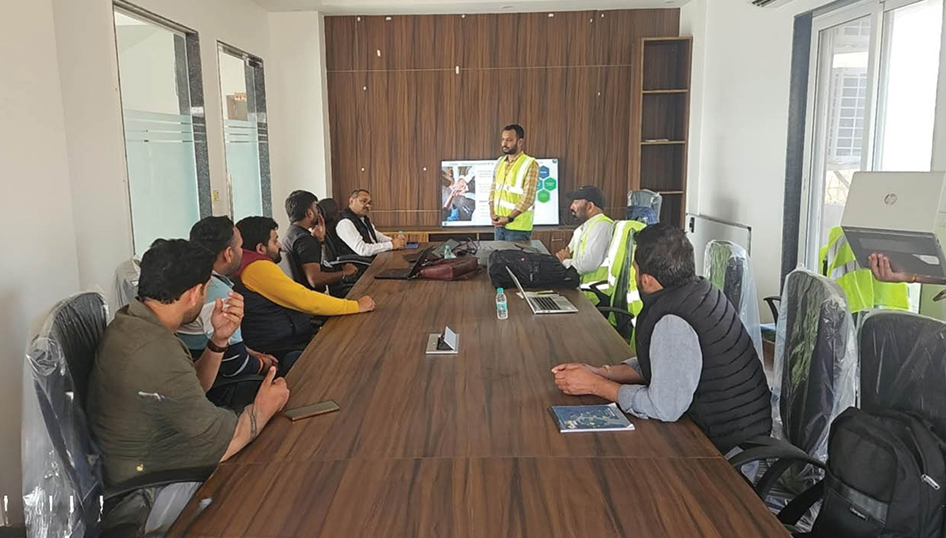
SPV-wise specific awareness sessions are initiated to apprise ground staff on required commitment, to understand further opportunities to reduce energy consumption and to pilot a few initiatives. These sessions are derived from recommendations emerging from energy audits and discussions with various teams and SPVs.
Impact Snapshot
- Twice in year ~60 sessions
- Good exchange of ideas and ground opportunities identified
- Few ideas implemented across portfolio (e.g., AC temperature control, motion sensors)
Other Decarbonization Initiatives
Beyond its core energy management initiatives, Cube InvIT is implementing targeted measures to reduce its operational carbon footprint. These include standardizing AC temperatures to 24°C, installing timers, automated central controls, lux-sensitive lighting, and motion sensors across select assets. Additionally, GAEPL has deployed a Centralized Control & Monitoring System (CCMS), an IoT-enabled solution that enables remote monitoring and efficient management of street lighting operations.
GHG Emissions
In line with international best practices, Cube InvIT adheres to the GHG Protocol Corporate Accounting and Reporting Standard, enabling consistent tracking of emissions across its operations. The organization monitors emissions across all Special Purpose Vehicles and reports on Scope 1, Scope 2, and Scope 3 emissions.
Scope 1 Emissions
3,407
Tonnes CO2e
Fuel Consumption

O&M Vehicles

Diesel Generators
Fugitive Emissions

AC Refilling

Fire Extinguisher
Scope 2 Emissions
23,716
Tonnes CO2e
Location Based Method
19,702
Tonnes CO2e
Market Based Method
Electricity Consumption Sources

Administrative and Corporate Offices

Highway Lighting

Toll Plazas

Advanced Traffic Management Systems
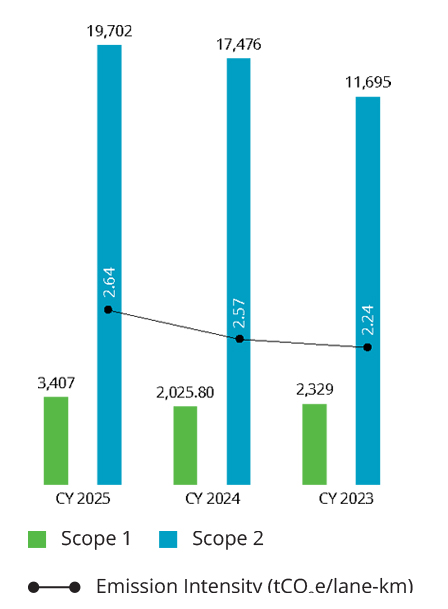
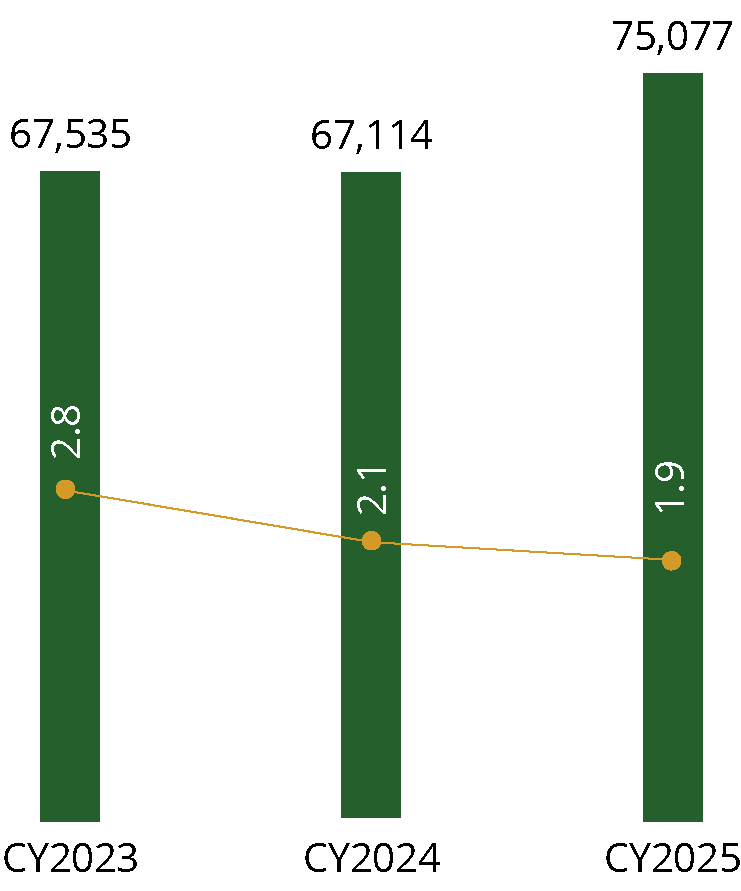
The data presented corresponds to CY 2025, covering corporate operations and 27 assets; CY 2024, covering corporate operations and 24 assets; and CY 2023, covering corporate operations and 18 assets. Energy and greenhouse gas data are reported on a calendar year basis, in alignment with measurable targets defined under the Sustainability Linked Financing Framework, which supports the organization’s Sustainability Linked Bond.
Scope 3 Emissions
75,077
Tonnes CO2e

Purchased goods and services
53,237
Tonnes CO2e

Transportation and distribution
5,358
Tonnes CO2e

Waste generated in operations
2
Tonnes CO2e

Business travel
760
Tonnes CO2e

Capital goods and services
220
Tonnes CO2e

Fuel and energy related activities
14,167
Tonnes CO2e

Employee Commuting
1,333
Tonnes CO2e
Climate Risk and Resilience
Climate change poses material risks to highway infrastructure, with increasing extreme weather events such as heavy rainfall, flooding, and rising temperatures affecting asset performance and durability. Given the geographic spread of assets across diverse climatic zones, these risks have direct operational and financial implications. Cube InvIT integrates climate resilience into its investment, asset management, and maintenance practices through a proactive, science-based approach, supported by resilient design, resource-efficient materials, and climate-informed engineering standards.
Climate risks are also embedded at the asset acquisition stage through structured due diligence, where parameters such as pavement strength, drainage capacity, soil stability, and axle load are assessed to identify vulnerabilities.
Physical Climate Risk Assessment across the Portfolio
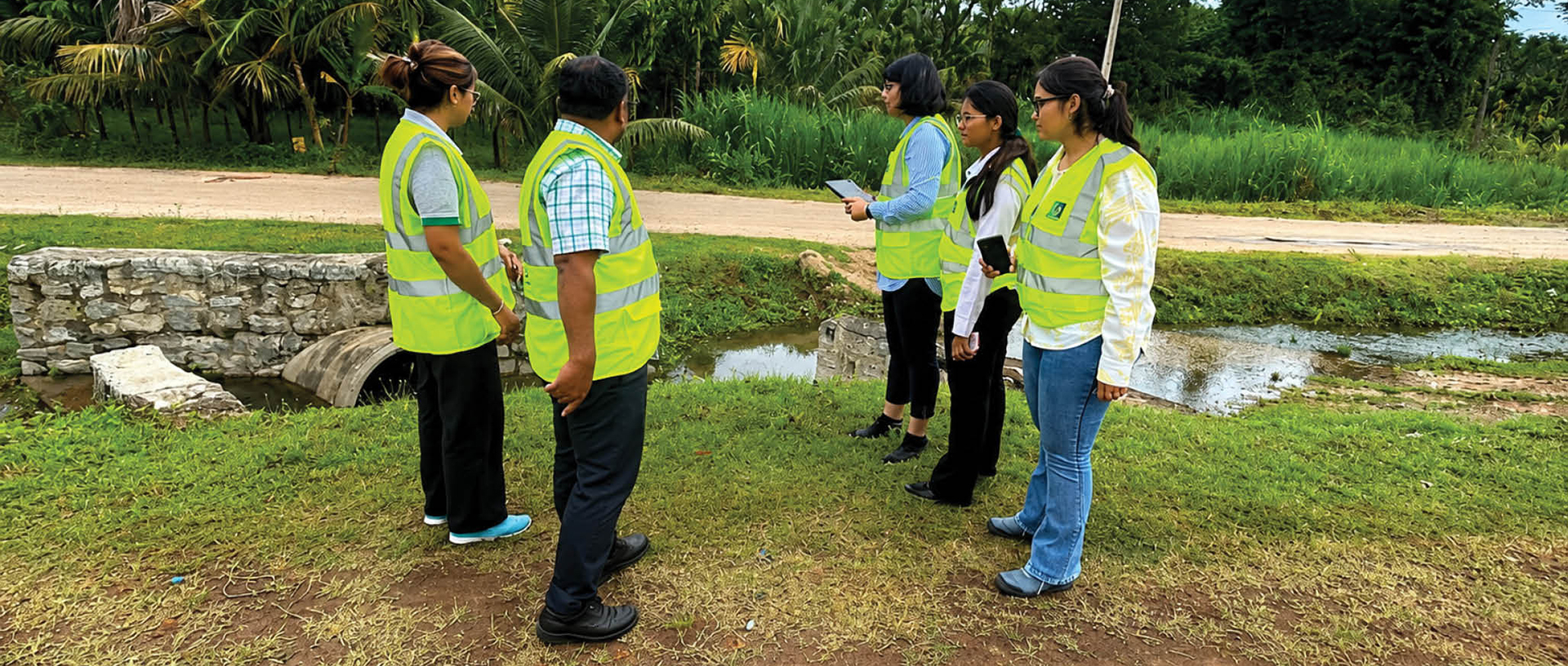
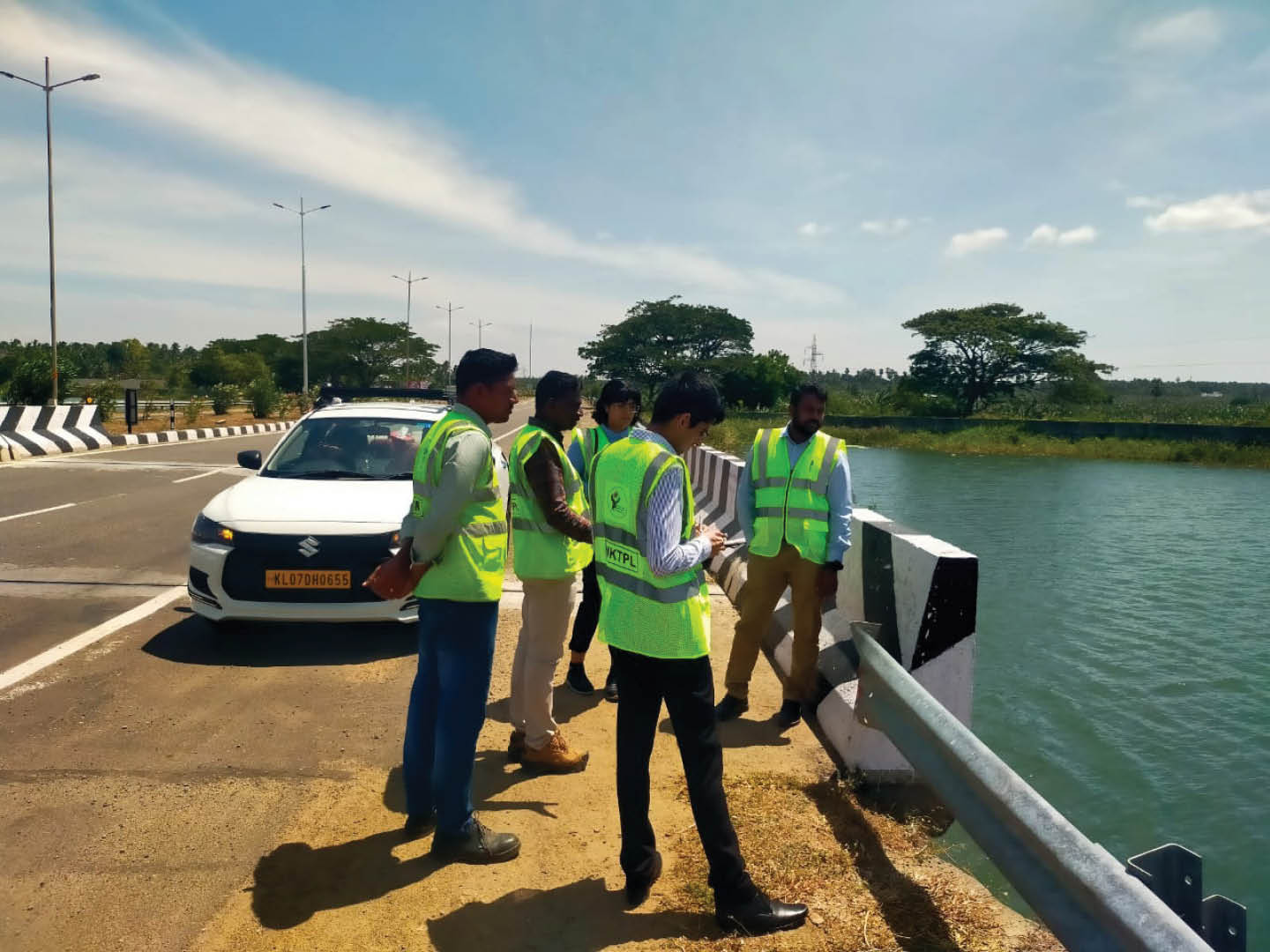
Cube InvIT initiated Phase 1 physical climate risk assessment to strengthen its climate risk management approach for selected assets based on location and insurance claim history (due to catastrophic events) through third-party climate risk experts. The assessment was conducted in alignment with IFRS S2 framework and covered four representative assets, namely WVEPL, NKTPL, SMTPL, and NDEPL, selected to reflect varying climatic exposures and operational conditions1.
Walayar Vadakkencherry Expressways Pvt. Ltd. (WVEPL)
-

Kerala
-

2012-2038 (26 Years)
-

53.5 Km
Nelamangla Devihalli Expressway Pvt. Ltd. (NDEPL)
-
Karnataka
-
2008-2033 (25 Years)
-
80.3 Km
Salaipudhpur-Madurai Tollway Pvt. Ltd. (SMTPL)
-
Tamil Nadu
-
2019-2051 (32 Years)
-
63.5 Km
Nanguneri-Kanyakumari Tollway Pvt. Ltd. (NKTPL)
-
Tamil Nadu
-
2019-2051 (32 Years)
-
63.5 Km
Methodology and Approach (Climanomics Based Assessment)
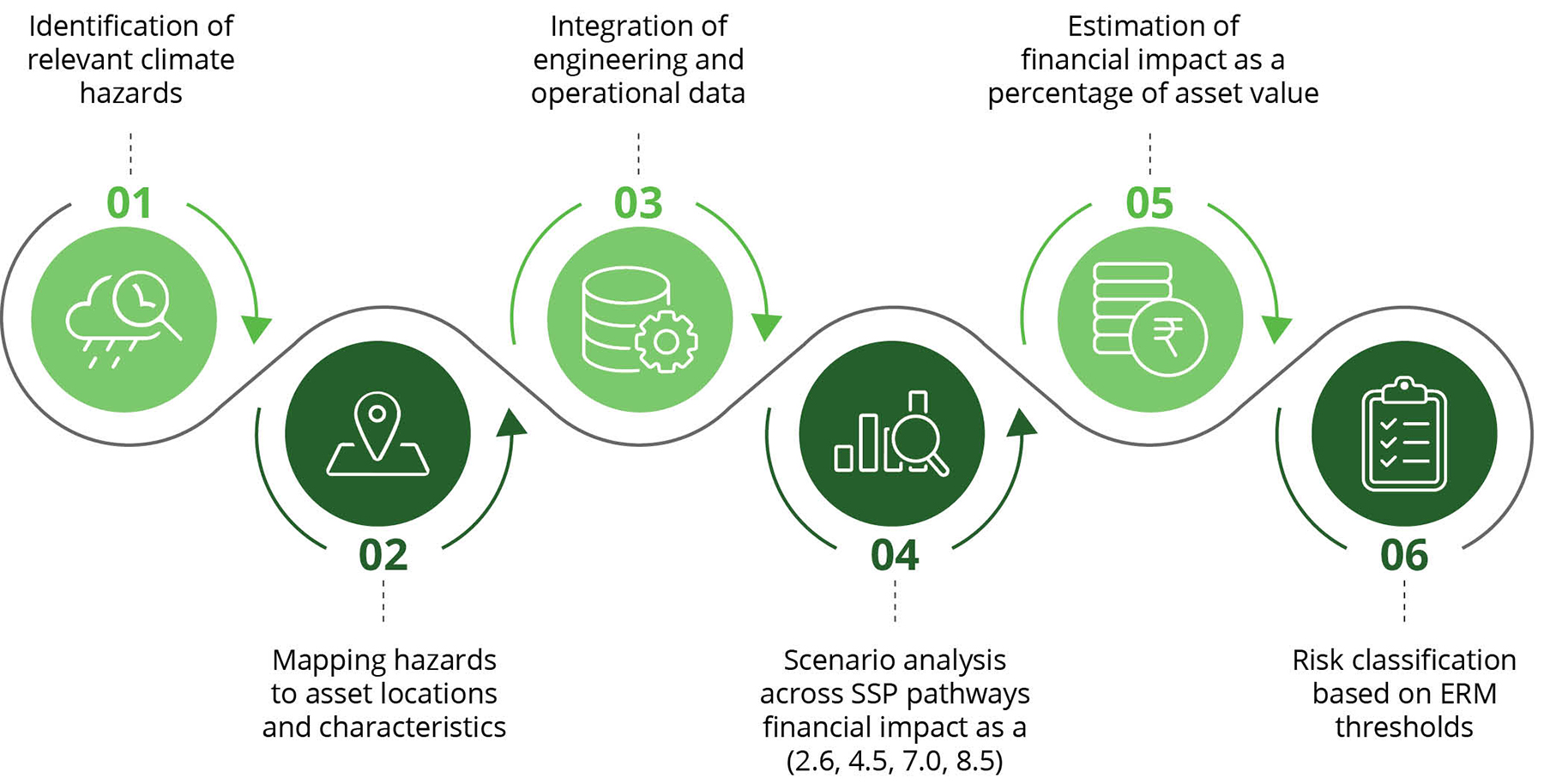
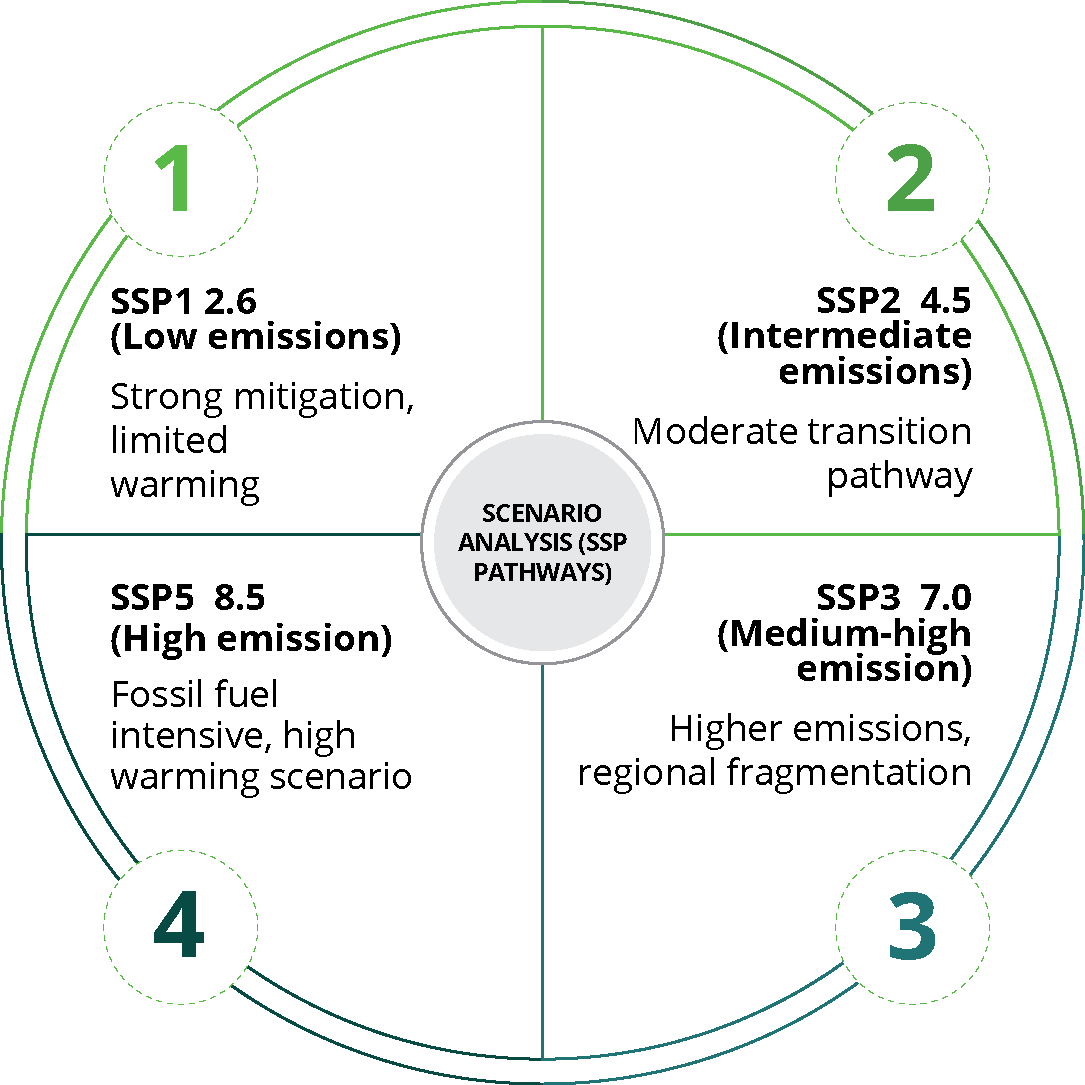
Climanomics-based assessment applies advanced climate models and the latest Shared Socioeconomic Pathways (SSP) scenarios as per the IPCC to map hazard exposure across asset locations, integrates asset-specific engineering and operational data to assess vulnerability pathways, and uses impact functions to quantify potential physical and financial impacts.
Methodology Overview
1Initiated at two more assets namely DATRPL and GAEPL; though study is under conclusion
Key Climate Hazards Assessed through Climanomics (Inherent Risk)
The assessment covered a comprehensive range of acute and chronic climate hazards, including:


Pluvial flooding

Fluvial flooding

Temperature extremes

Drought and water stress

Wildfires

Cyclones and other extreme events
Residual Risk
- Total insurance claims (2020-2025) accounted for catastrophic events: ~INR 12 million
- Average annual residual risk:~INR 2.4 million
- Majority of assets show negligible or zero claims during the last five years
Key Findings
- Minor climate change-related risk
- Pluvial flooding was identified as the primary material risk driver across assets
- Temperature extremes, fluvial flooding, and wildfire identified under certain scenarios, but not material
- No exposure was identified to coastal flooding, landslides, tropical cyclones, water stress, or drought
Key Mitigation Measures
Comprehensive insurance coverage for natural hazards
Routine preventive maintenance such as drainage cleaning and pothole repairs
Infrastructure upgrades including culverts, embankments, and drainage systems (as per requirement and approvals)
Targeted rainwater management and flood mitigation interventions
Allocation of contingency budgets for climate related events
In case any aspect is beyond concessionaire’s scope, the authority may issue Change of Scope (COS) based on the materiality and requirement of intervention.
Recommendations include further improvement in cleaning of cross drainage structures, exploring good practices for road maintenance to mitigate flooding due to extreme rainfall and conducting detailed technical studies for any recurring event/scenario.

Water Management
Cube InvIT continues to implement measures such as borewell monitoring through electromagnetic flowmeters, leak detection, and site-level awareness programs to reduce pressure on local water resources. In parallel, it has initiated pilot initiatives to enhance water circularity, including a bio digester project at GAEPL and the utilization of treated wastewater from comparatively clean industries for plantation purposes.
Rainwater Harvesting
The organization continues to strengthen water stewardship across its portfolio through the implementation of rainwater harvesting systems.
Impact Snapshot

268 Recharge Pits
(Across 8 SPVs)

0.49 Gigalitres
(Total Recharge Quantity)

0.66 Gigalitres
(Total Consumption)
Note : Under verification (water audit)
Rainwater harvesting systems are implemented across two primary catchment areas within the portfolio. Rooftop catchments at plaza premises contribute through 24 recharge pits, while the majority of recharges are driven by surface runoff from highways, supported by 244 recharge pits.
For further information on water consumption, withdrawal, and discharge, please refer to the BRSR – Principle 6: Essential indicator Q3 – Details of the following disclosures related to water
Case Study
Sustainable Water Management at KMTPL Toll Plaza
Reusing RO Wastewater for Environmental Benefit
Issue
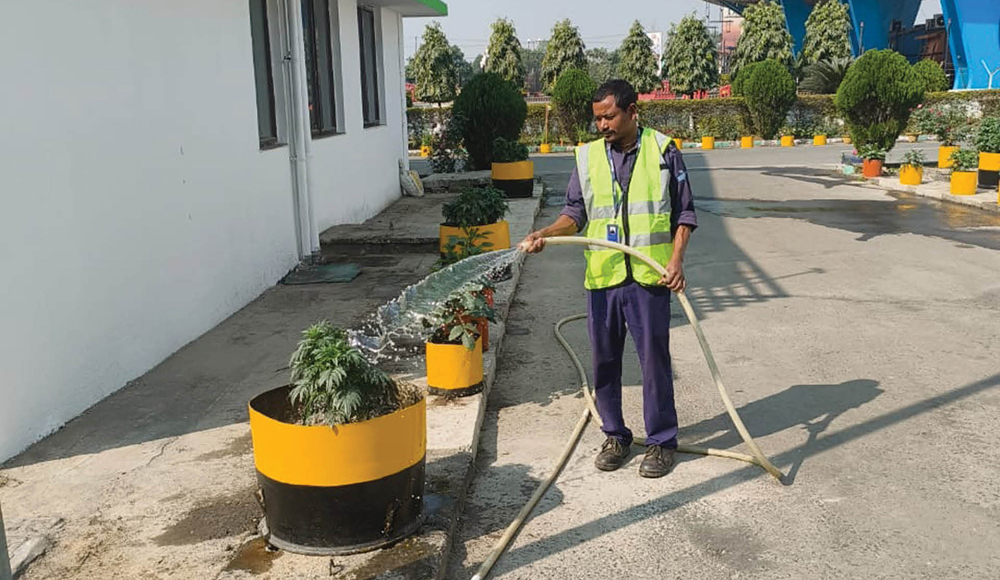
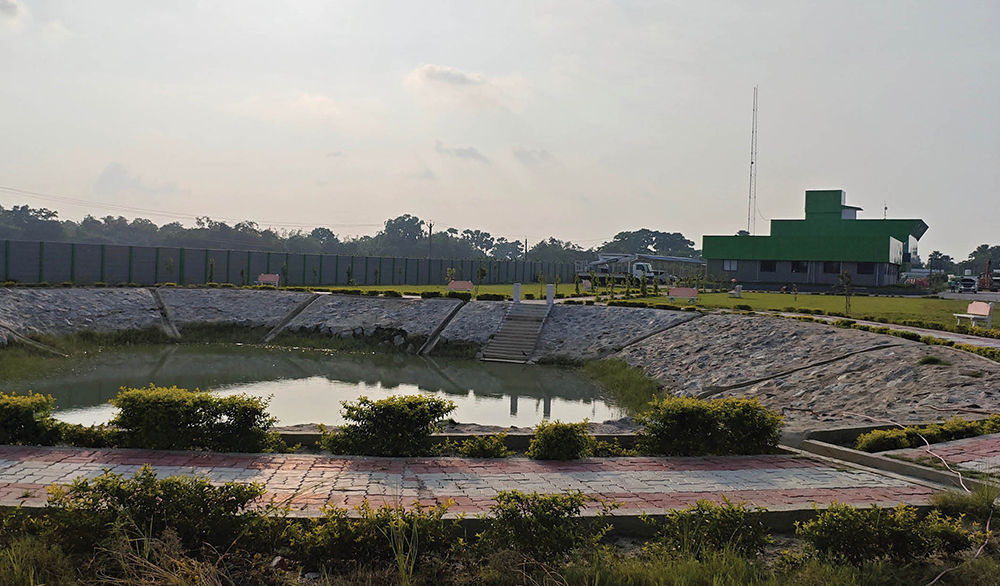
The public RO drinking water system at Parsoni Khem Toll Plaza (KMTPL) generated nearly 2,400 liters of reject water daily, resulting in significant water wastage.
Solution
A dedicated PVC pipeline was installed to channel RO reject water to an on-site pond (Amrit Sarovar), enabling its productive reuse.
Impact
- Reused approximately 2,400 litres of wastewater daily
- Reduced freshwater consumption for irrigation
- Supported groundwater recharge through pond replenishment
Another noticeable initiative is at FRHPL, where RO reject water is being stored in plaza premises and utilized for cleaning and other purposes.
Circular Materials and Resource Efficiency
Cube InvIT integrates circular economy principles across construction and maintenance activities to optimize material use, reduce waste, and minimize lifecycle environmental impacts. By prioritizing recycled inputs, resource-efficient technologies, and reuse practices, the organization strengthens both cost efficiency and long-term asset resilience.
Key Initiatives

Reclaimed Asphalt Pavement (RAP)
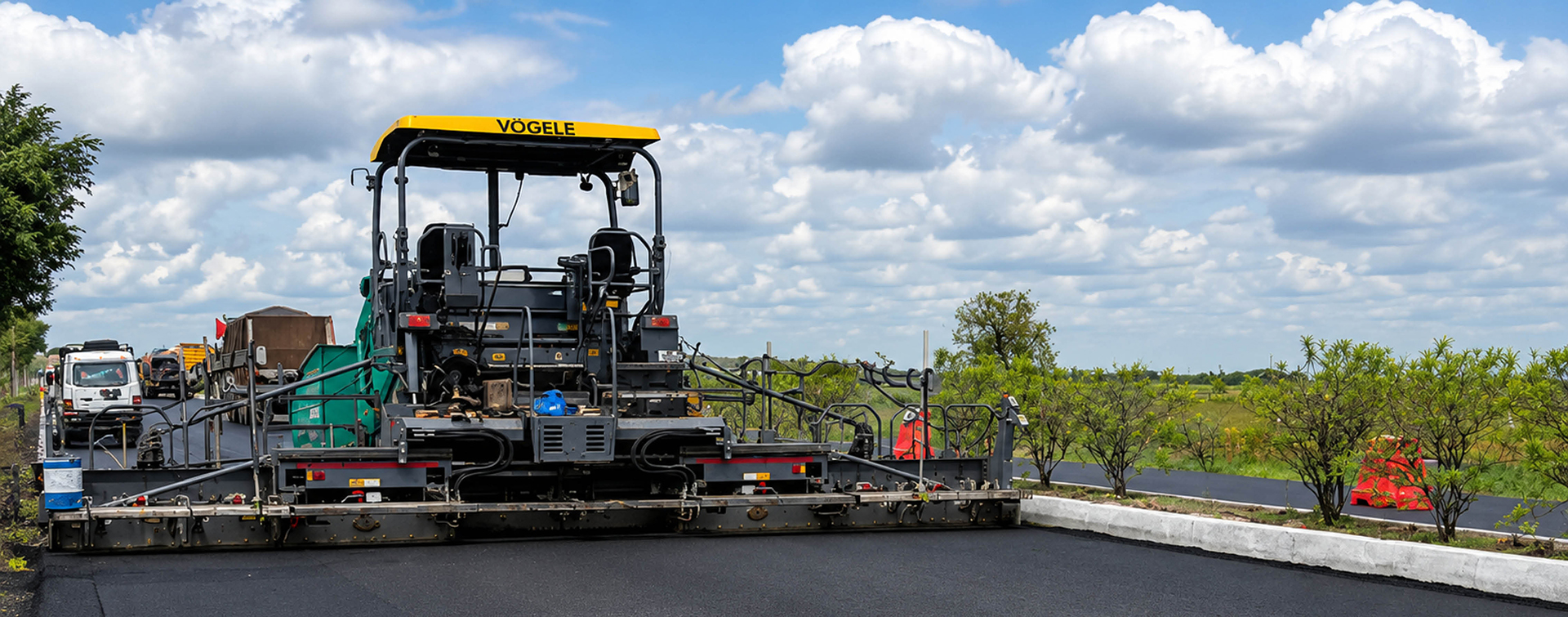
RAP is utilized across both Dense Bituminous Macadam (DBM) and Bituminous Concrete (BC) layers, with mix proportions of 25–35 percent. This reduces consumption of virgin aggregates and bitumen while improving resource efficiency.

Material Reuse and Refurbishment
Refurbishment and reuse of metal beam crash barriers and signboards through inhouse fabrication yards across SPVs.

Low impact maintenance technologies
Adoption of micro fine milling for minor rut correction, reducing material intensity and improving surface performance along with cost savings.
Integrated Waste Management Approach
The Trust adopts a structured approach to waste management by embedding resource efficiency across the value chain, from procurement to disposal. This includes reducing material wastage, promoting reuse and recycling, and improving operational efficiency through sustainable construction practices.
Impact Snapshot (Periodic Maintenance at JMTPL, MBEL and WUPTPL)
~79,772 tonnes
RAP utilization For CY 2025
14,807.5 tonnes
Virgin Aggregate Saved
~953 tCO2e
Emissions reduction (RAP)
805 tonnes
Bitumen Saved
Impact Snapshot (Routine Maintenance)
6 SPVs
Adoption of Micro-fine Milling
7,426 Refurbished and 2,775 Reused
Signboards Refurbished and reused
126.8 tonnes
MBCBs refurbished
For further information on waste generated and disposal, please refer to the BRSR: Principle 6 – Essential Indicator Q9 – Details related to waste management by the entity
Biodiversity and Green Infrastructure
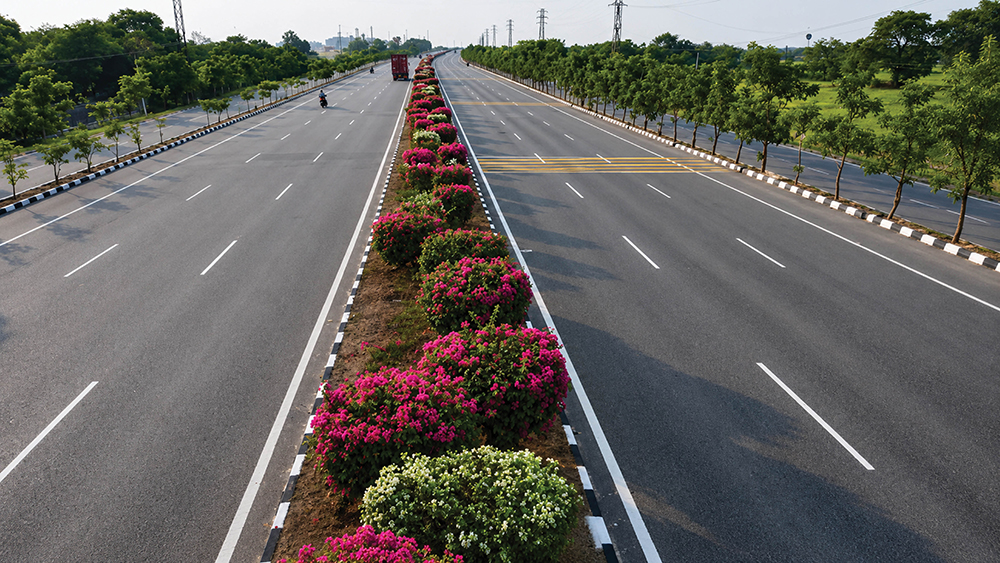
Cube InvIT integrates biodiversity considerations across its infrastructure lifecycle to enhance ecological value and asset resilience. The organization undertakes plantation activities using native species across medians, avenues, and operational areas, delivering benefits such as microclimate regulation, dust control, soil stabilization, and habitat creation.
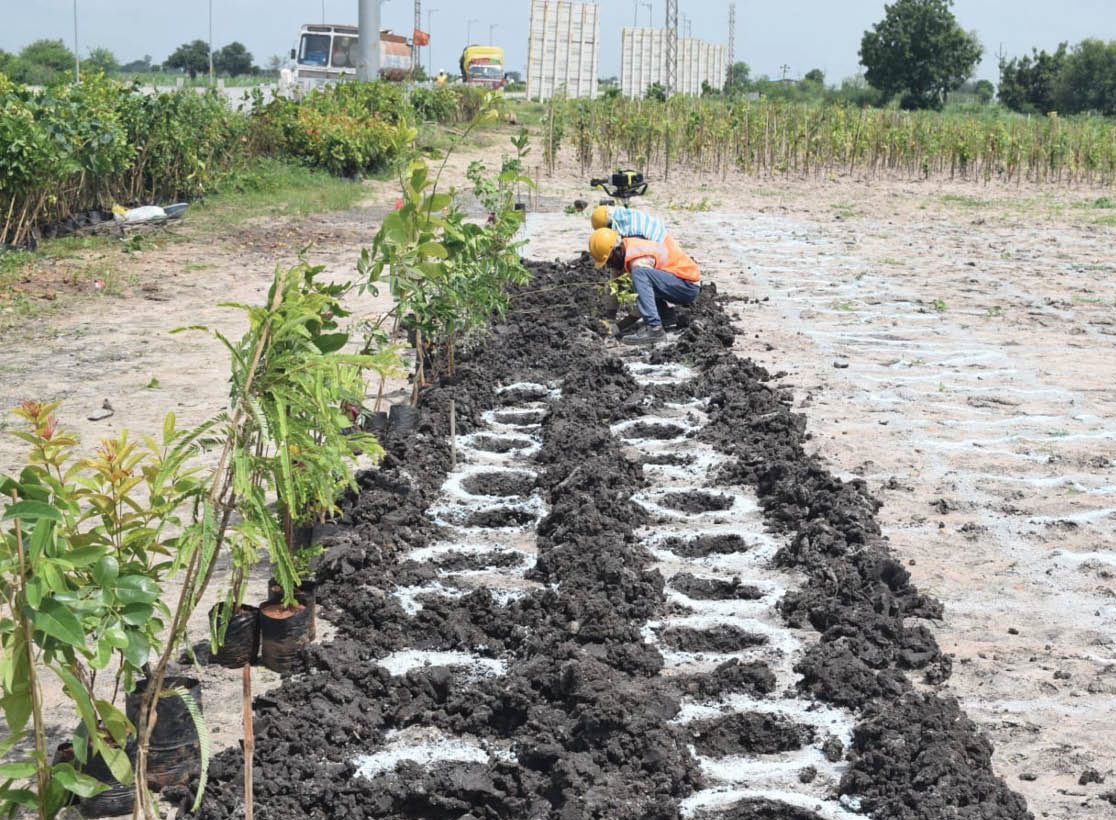
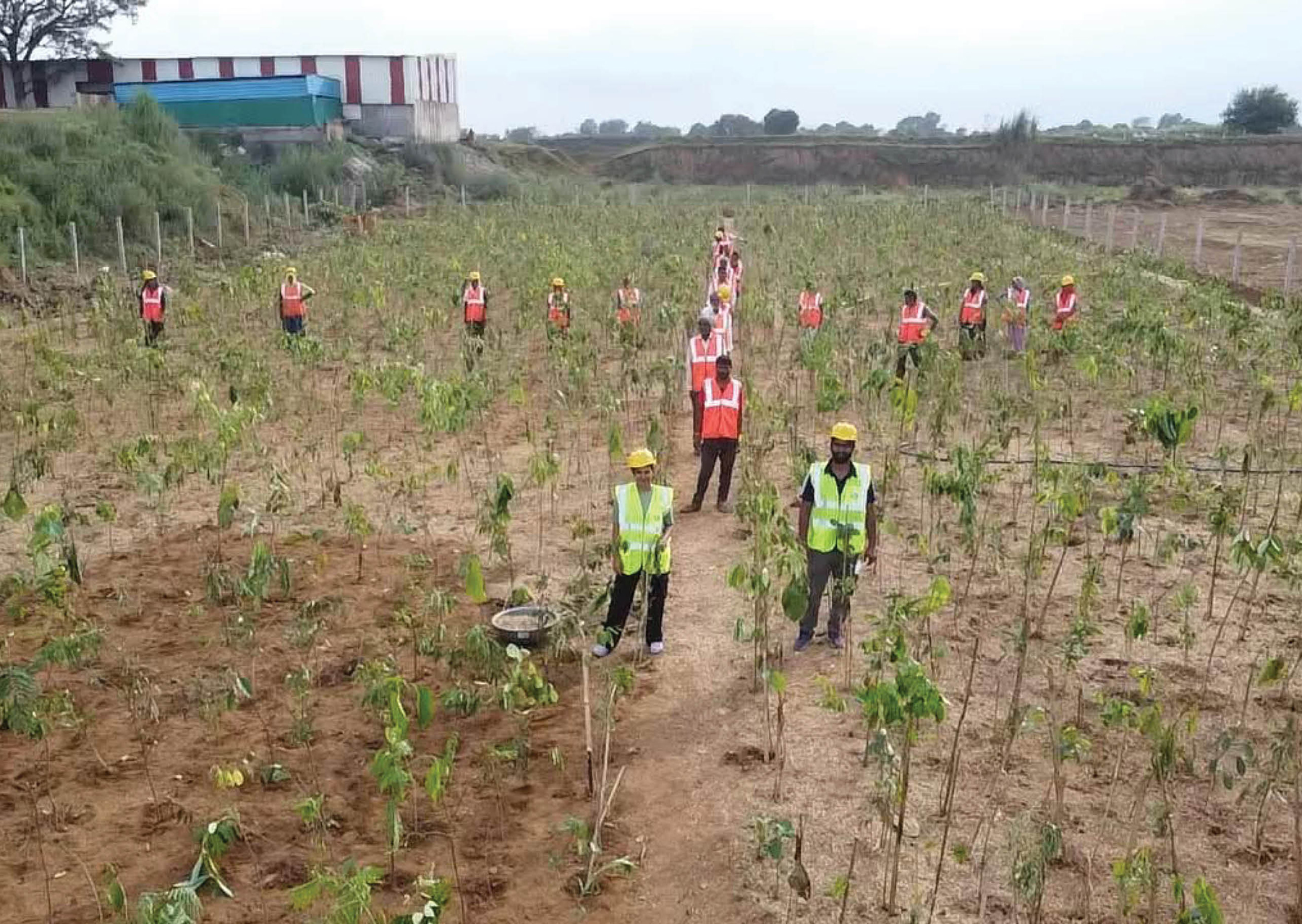
To strengthen outcomes, the Trust has developed in-house nurseries across key assets, improving plant survival, reducing procurement dependency, and enabling site-specific species selection. In addition, Miyawaki afforestation has been implemented in select locations to accelerate ecological restoration and carbon sequestration, particularly in degraded areas.
Impact Snapshot
4,12,595
Total Saplings Planted
1,02,000
Miyawaki Plantation at 5 SPVs
1,17,494
Avenue Plantation at 20 SPVs
1,93,101
Median Plantation at 22 SPVs
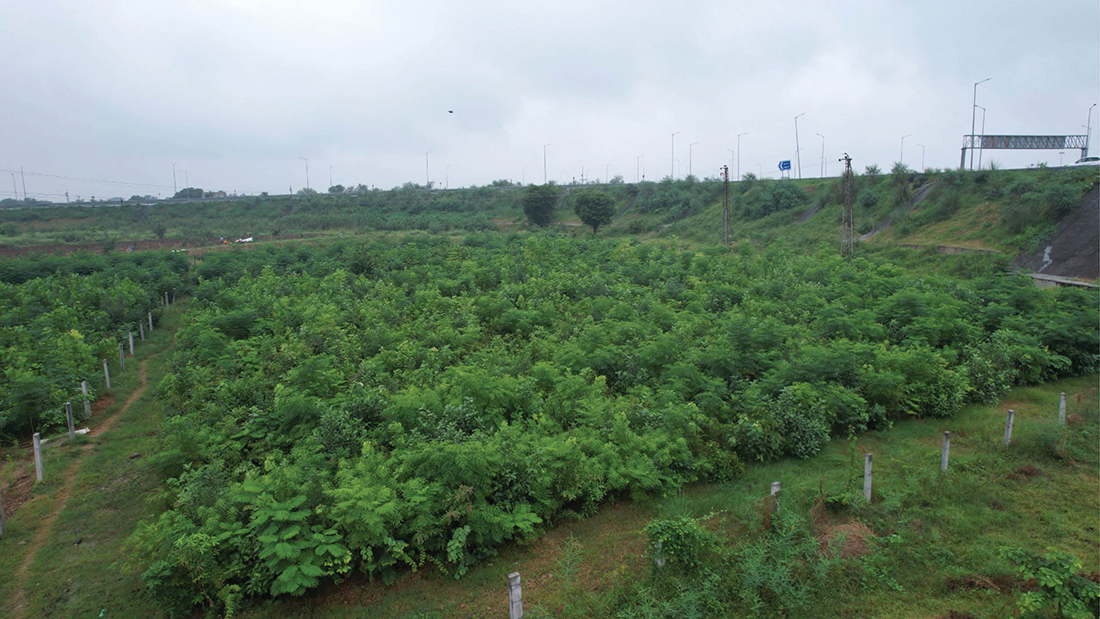
JMTPL – Aerial view of a highway interchange surrounding a developed green Miyawaki plantation patch amidst open fields and rural landscape.
Case Study
Restoring Green Corridors through Large-Scale Miyawaki Plantations
Enhancing Biodiversity and Climate Resilience Across Highway Assets
Issue
Highway development can lead to reduced green cover, higher dust levels, increased temperatures, and diminished biodiversity, affecting local air quality and ecological balance.
Solution
Through Cube Highways Roots Foundation, the organization implemented large-scale Miyawaki plantations across select project corridors, planting over 1,02,000 native saplings at JMTPL, DATRPL, MHPL, GAEPL, and KMTPL. Supported by soil conditioning, mulching, irrigation, and continuous monitoring, the initiative promotes the rapid development of dense, self-sustaining
Impact
- Enhanced green cover through the creation of dense roadside green belts
- Improved air quality by reducing dust pollution along highway corridors
- Developed cooler microclimates, helping mitigate heat stress
- Achieved a sapling survival rate of around 90%
- Strengthened local biodiversity with increased presence of birds and small fauna
- Contributed to carbon sequestration and long-term climate resilience
Another noticeable initiative is at FRHPL, where RO reject water is being stored in plaza premises and utilized for cleaning and other purposes.