
Smarter Operations.
Stronger Outcomes.
We are redefining how highways are managed, combining data, technology and on-ground execution to drive efficiency at scale. Our focus remains on seamless traffic movement, stronger revenue assurance, and building a future-ready operations ecosystem.
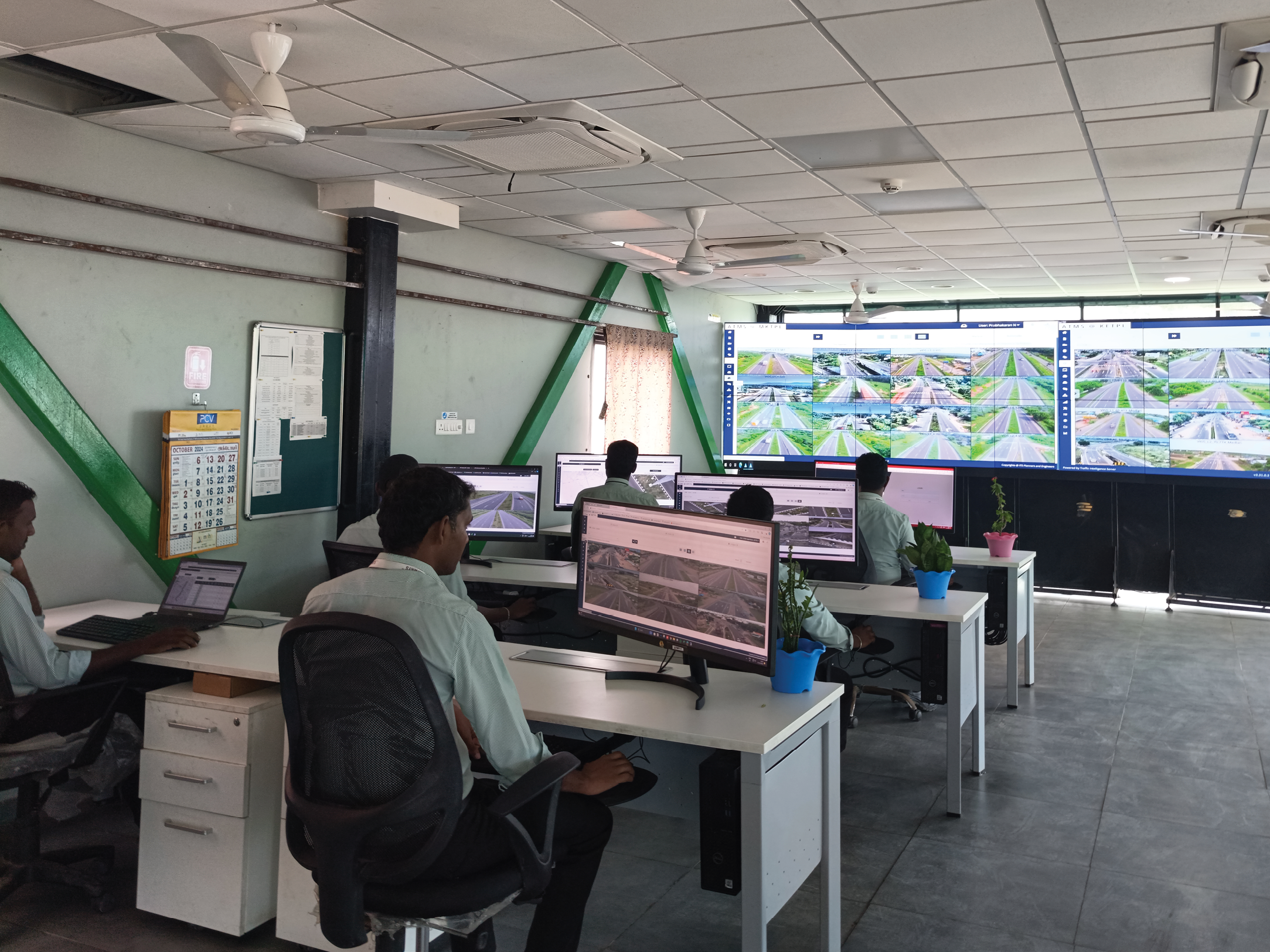
Building India’s Most Digitally Integrated Toll Network
Digitizing Traffic Intelligence and Revenue Flow
We strengthened our traffic management backbone by transitioning from fragmented, excel-based tracking to an integrated, real-time MIS and Power BI–enabled ecosystem. This has improved KPI visibility and enabled faster decision-making.
Key enhancements- SAP integration through the MIS portal has centralized revenue data and streamlined accounting entries, virtually eliminating manual excel-based intervention for both technical and finance teams.
- A Power BI dashboard, built using IHMCL’s vehicle class–wise monthly data for NHAI toll plazas, automates traffic analytics and tracks monthly trends. In parallel, we enhanced our analytics capabilities through event-based traffic reporting and centralized databases.
- An MS Forms–based system was introduced to capture events impacting traffic and revenue at plazas, supporting accurate variance analysis for Board reviews, auditor queries and InvIT studies.
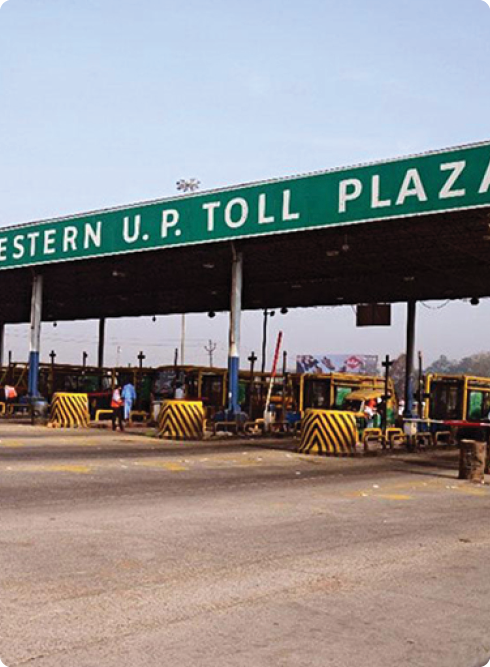
Enhancing Throughput, Minimizing Leakage
We continued to focus on improving lane efficiency and reducing revenue leakage through data-led interventions. By closely monitoring lane-level throughput, exemptions, and transaction patterns. Through this we identified and addressed operational inefficiencies such as RFID misalignment and suboptimal lane configurations.
Enhancing Transaction Validation
We strengthened our validation processes through integration with the VAHAN database, improving the accuracy of backend transactions, particularly in exempt and disputed cases. This was complemented by enhanced system performance, with ANPR accuracy exceeding 80% across the portfolio as of September 2025 and ATMS uptime reaching close to 90%, driving greater reliability and operational efficiency.
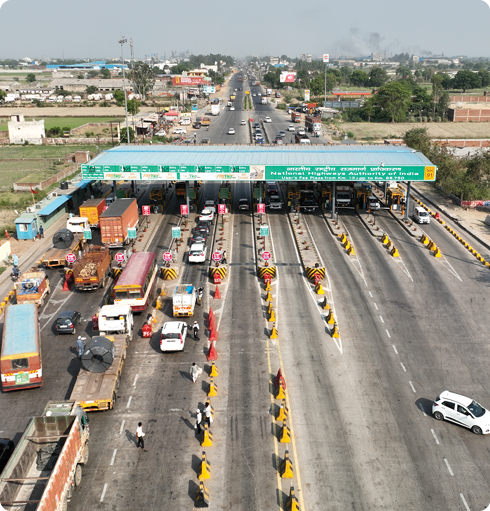
Operationalization of Split Plaza at GAEPL
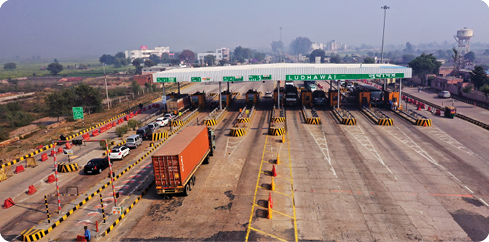
One of our key milestones was the operationalization of the split plaza at Luahrli Toll Plaza (GAEPL) in July 2025. This development expanded lane capacity by 50%, from 10 lanes to 15 lanes despite land constraints. The enhanced capacity has reduced congestion and plugged revenue leakages arising from detours around the toll plaza, thereby improving overall revenue realization and compliance.
Next-Gen Tolling
We have initiated trials for Multi-Lane Free Flow (MLFF) tolling, enabling barrier-less toll collection through high-speed RFID detection. Initial tests indicate strong potential to eliminate stoppage delays and significantly improve throughput efficiency. On enforcement, we are working to enhance weigh-in-motion systems to detect overloaded vehicles with greater accuracy, supported by automated alerts and reduced dependence on manual intervention. In collaboration with the Indian Institute of Technology Madras and a technology partner, we are developing an automated system to detect permissible vehicle weight through WIM. Initial testing has already been completed at a toll plaza of MBEL.
ATMS Upgrades
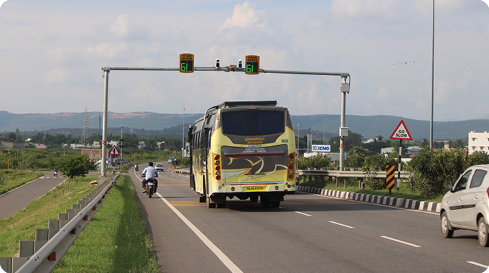
We have successfully completed the upgradation of the Advanced Traffic Management System (ATMS) at FRHPL.
Through this, we have strengthened:- Our real-time traffic monitoring and management capabilities.
- System reliability, resilience, and uptime.
- Continuity of operations during critical and high-impact situations.
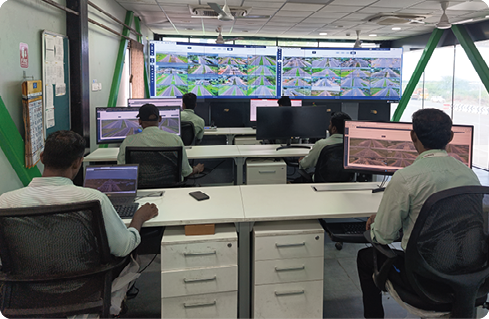
With a modernized ATMS infrastructure in place, we are better equipped to manage traffic proactively and respond with agility, enabling safer, smoother and more efficient journeys for our road users. Our control center centrally monitors all assets in real time through dashboards and live feeds.
Vehicle Tracking System
We have deployed real-time Vehicle Tracking System (VTS) across ~300 vehicles and enhanced monitoring using geotagging and geofencing to improve utilization, and reduce operational inefficiencies.
End-to-End Integration of Revenue Systems
MIS + SAP Integration = Revenue Layer
Issue Management (MS Forms-based Application)
Data Source and Integration (MIS > SAP Integration)
Analytics Dashboard (Power BI)
From Data to Real-Time Intelligence
Earlier
- Disparate Excel-based tracking across toll plazas
- Traffic and revenue insights lagged by up to 30 days
- High manual effort, with frequent reconciliation challenges
- Limited visibility
Today
- Live, real-time dashboards across the network
- Fully automated data flow with minimal manual intervention
- Faster analytics, enabling proactive decision-making
- A unified, transparent data backbone for the entire portfolio
Key Procurement Initiatives
-

Procurement Consolidation and Standardization
We consolidated procurement demand across SPVs through framework agreements, improving cost efficiencies and supplier negotiations. Standardization of materials, equipment, and processes enhanced quality consistency, execution speed, and cost control.
-

Long-term Partnerships
We strengthened supply reliability through long-term supplier partnerships and vendor-managed inventory models, supporting uninterrupted operations and improved working capital efficiency.
-

Procurement Digitization
We digitized end-to-end procurement processes to enhance visibility, process control, and operational efficiency.
-

E-auction and Reverse Bidding
We expanded the use of e-auctions and reverse bidding to improve pricing competitiveness and procurement transparency. Tail-spend rationalization and automation helped streamline low-value, high-volume purchases and reduce cycle times.
-

Better Planning and Execution
We aligned procurement planning more closely with SPV-specific requirements to improve responsiveness and execution efficiency. Sustainable sourcing practices, including the use of recycled materials, energy-efficient solutions, and local suppliers, were also strengthened.
-

Lifecycle Cost Optimization
We adopted a lifecycle-based procurement approach by evaluating decisions through total cost of ownership and leveraging opex-led procurement models.

Strengthening Supply Resilience through Strategic
Partnership Renewal with Indian Oil Corporation Limited
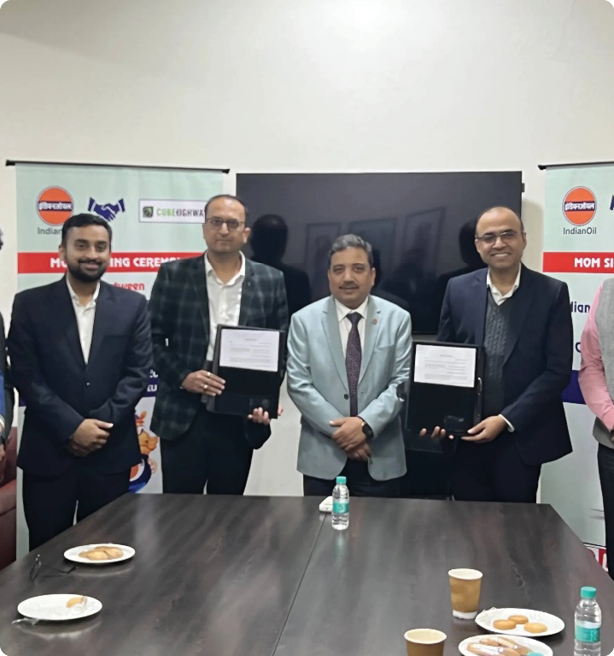
We have successfully extended our Bitumen Supply Memorandum of Understanding (MoU) with Indian Oil Corporation Limited (IOCL) for an additional five-year term, reinforcing a long-standing strategic partnership. The renewed agreement strengthens supply continuity, and provides greater stability against short-term bitumen price fluctuations.
-

Secured Improved Commercial Terms
The renewed MoU enables Cube Highways to secure more competitive rates, ensuring enhanced cost efficiency across projects.
-

Enhanced Supply Assurance and Support
The agreement ensures priority escalation and faster resolution of supply-related matters, strengthening operational reliability and responsiveness.
-

Strengthening Maintenance Efficiency
With assured supply and improved commercial terms, this extension will significantly enhance our Major Maintenance (MM) efficiency, enabling smoother execution across our portfolio.
Deployment of Smart Metering Infrastructure
We are deploying smart meters across our portfolio to enable real-time energy monitoring and data-driven decision-making. This will provide granular visibility into consumption patterns, helping us identify inefficiencies, reduce leakages, and optimize resource utilization. In addition, this initiative will improve billing accuracy, strengthen vendor accountability, and support predictive maintenance.

Sustainable and Standardized Routine Maintenance
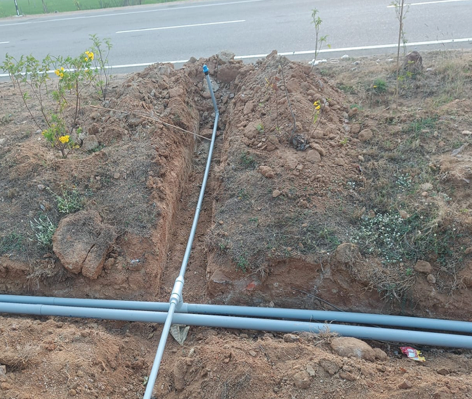
Routine maintenance during the year focused on standardization, cost optimization, and sustainability-led practices to ensure consistent asset performance and operational efficiency. Key initiatives included improved plantation techniques such as greenhouse setups and drip irrigation trials, the use of bamboo tree guards, reuse of surplus materials like Recycled Asphalt Pavement (RAP) and concrete waste for slope protection and shoulder strengthening, and deployment of cold mix applications to reduce material consumption and improve turnaround time. Water conservation was supported through the reuse of RO reject water, while digital enablement through an in-house platform enhanced real-time issue tracking, approvals, and cross-functional coordination.
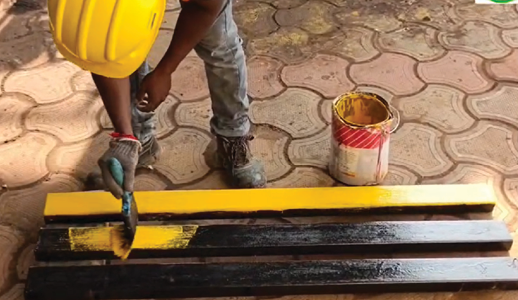
In-House Fabrication of Delineators Using Scrap Materials
Background
Delineators procured from external vendors involved higher costs, vendor dependency, and delays in replacement. An in-house solution was adopted to improve efficiency and resource utilization.
Objective
Reduce costs, minimize vendor dependency, and improve replacement turnaround time through internal fabrication.
Initiatives
- Fabricated delineators using scrap MS pipes and signboard poles
- Completed fabrication and installation through internal manpower
- Installed retro-reflective sheets for visibility standards
- Used concrete anchoring for durability
Conclusion
The initiative improved cost efficiency, operational responsiveness, safety, and circular resource utilization through in-house capability and material reuse.
Impact
-
Financial
70–77% cost reduction and annual savings
-
Operational
Reduced waste through reuse of scrap materials
-
Environmental
Faster replacement and lower vendor dependency
-
Operational
Improved carriageway edge delineation and night visibility
Major Maintenance for Asset Longevity
Major maintenance during the year was centered on enhancing asset life and improving overall performance through targeted interventions. A structured, data-led approach ensured timely rehabilitation while optimizing long-term durability and costs.
Key Initiatives
- Condition-based assessments to identify and prioritize critical stretches for intervention.
- Traffic-linked planning to align maintenance activities with usage intensity and asset stress levels.
- Rehabilitation and strengthening of pavements to address structural deficiencies.
- Focused measures to improve riding quality and overall user experience.
- Timely resolution of pavement distress, including cracks, rutting, and surface wear.
- Lifecycle cost optimization through a balanced approach to upfront investment and long-term maintenance reduction.
Driving Cost Efficiency through Systematic Shoulder Maintenance
Project
JMTPL
Background
Shoulder maintenance is a critical component of highway asset management, directly impacting road safety, durability, and lifecycle costs. Traditionally, reactive maintenance approaches often led to extensive repairs during Major Maintenance (MM) cycles.
Objective
To transition towards a systematic, process-based maintenance strategy focused on prevention and resource optimization.
Initiatives
- Implementation of routine, structured shoulder maintenance practices across the project stretch.
- Reuse of milled pavement material for periodic repairs, reducing dependence on fresh materials.
- Integration of preventive maintenance planning to address deterioration at an early stage.
Key Outcome Snapshot
21,772 MT
Initial Quantity Identified
8,960 MT
Executed Quantity
10
Estimated Savings (in INR million)
Conclusion
The transition to a systematic and preventive maintenance approach demonstrates how process innovation can unlock significant cost efficiencies while enhancing asset performance. By combining material reuse with proactive planning, the project delivers long-term value and sustainability in highway maintenance.
Impact
-
Financial
- Achieved cost savings of ~INR 10 million
- Avoided additional repair costs
-
Environmental
- Reuse of milled pavement materials
- Reduced waste generation from milling and repair activities
-
Technical
- Improved stability and durability of road shoulders
- Minimized the risk of severe deterioration
-
Operational
- Reduced dependency on extensive repair works
- Better coordination with authority-led infrastructure activities
- Strengthened overall asset management
Rewriting the Rules of Pavement Maintenance
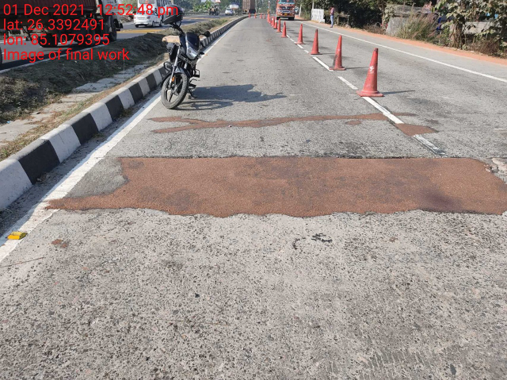
On a busy stretch of NH-44 connecting Madurai to Kanyakumari, rutting was observed. These shallow depressions, often less than 15 mm, were difficult to detect early but impacted ride quality, safety, and long-term pavement health. Traditional solutions required heavy material use, long lane closures, and expensive overlays.
The Project Manager’s challenge was to rethink the approach rather than simply fixing the issue. Instead of replacing large sections of pavement, the team introduced micro-fine milling, a highly precise surface treatment that removes just 6–8 mm of the top layer, targeting rut-induced heaves without disturbing structurally sound layers beneath.
Outcome
39%reduction in rut depth across treated sections
12%improvement in surface roughness, enhancing ride quality
~90%cost savings compared to conventional mill-and-fill methods
Significant reduction in carbon footprint due to zero new material requirement
This was not just a maintenance technique, it was a shift from reactive reconstruction to predictive, minimal-intervention engineering. Micro-fine milling demonstrated that infrastructure innovation doesn’t always mean building more, it can mean doing less, but doing it precisely.
From Manual Repairs to Mechanized Precision
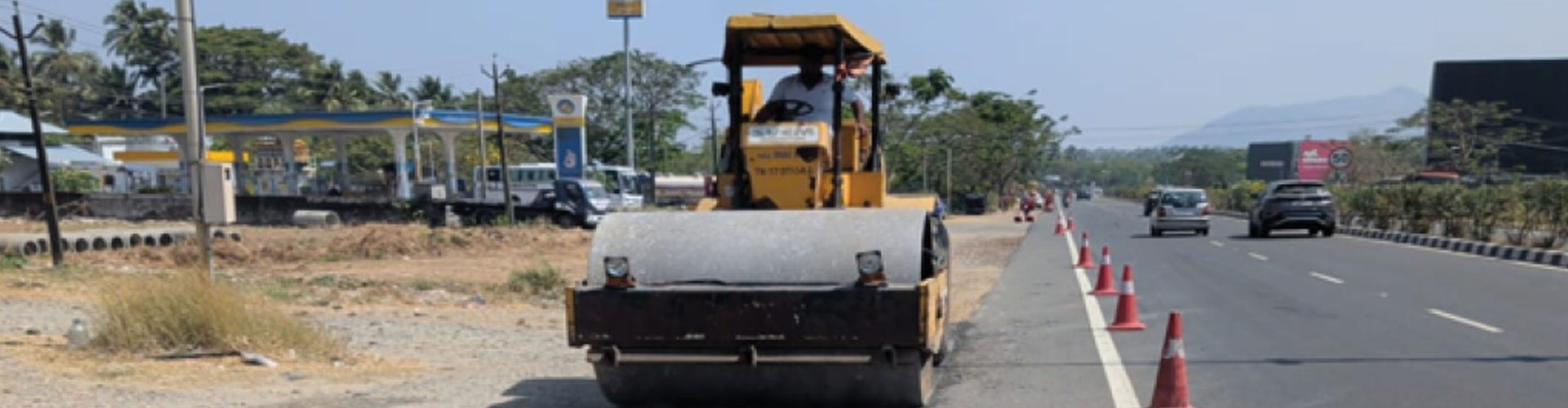
Across India’s highways, patch repairs are among the most frequent maintenance activities and also among the most inconsistent. Traditional methods rely heavily on manual processes, often leading to uneven surfaces, poor compaction, and recurring failures.
At our SPV, MHPL, in Telangana, we explored bringing highway-grade construction quality to localized repairs. The solution was mini paving equipment, compact, mechanized systems designed for precision patchwork in constrained environments. This innovation bridged a critical gap between manual fixes and full-scale paving operations.
Instead of over-treating large sections or relying on labor-intensive repairs, mini pavers enabled:- Uniform thickness and surface finish, eliminating inconsistencies.
- Higher compaction quality, improving durability.
- Rapid response capability, especially for potholes and localized distress.
- Minimal traffic disruption due to smaller work zones.
The transformation was immediate with repairs that once required repeated interventions became long-lasting solutions. Work zones became safer, and maintenance cycles became more predictable. Cube InvIT turned routine patchwork into a high-performance engineering solution, reinforcing that innovation is not always about scale, but about appropriateness.
Keeping Roads Safe in Monsoon
In India, the monsoon season brings more than rain; it brings a surge in potholes, safety risks, and maintenance challenges. Traditional hot-mix solutions become impractical due to moisture, leading to delayed repairs and deteriorating road conditions.
For Cube InvIT, this seasonal disruption posed a critical question:How do you maintain roads when the environment itself works against you?
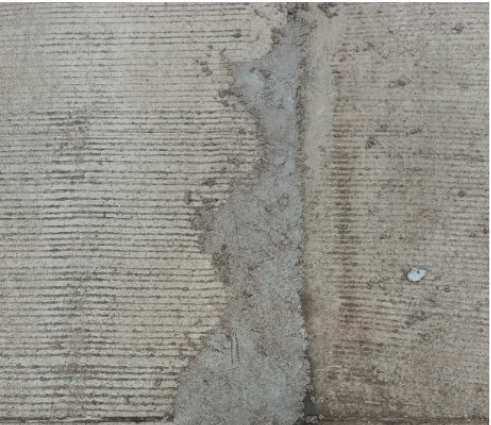
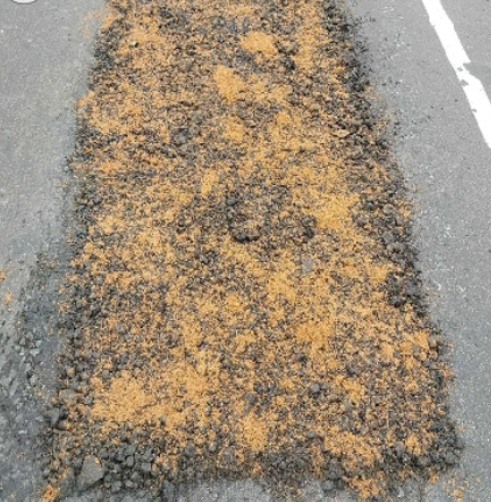
The answer was Aqua Patch, a water-activated cold-mix solution that can be applied directly into wet or water-filled potholes and becomes traffic-ready within an hour.
This innovation flipped conventional logic on its head.
Instead of waiting for dry conditions, we enabled maintenance in the middle of adverse weather.
The impact was immediate and tangible:- Continuous pothole repair during monsoons.
- Elimination of plant dependency and heating requirements.
- Faster reopening of roads, improving safety and mobility.
- Strong adhesion even on wet surfaces, ensuring durability.
Embedding Intelligence
into Every Mile
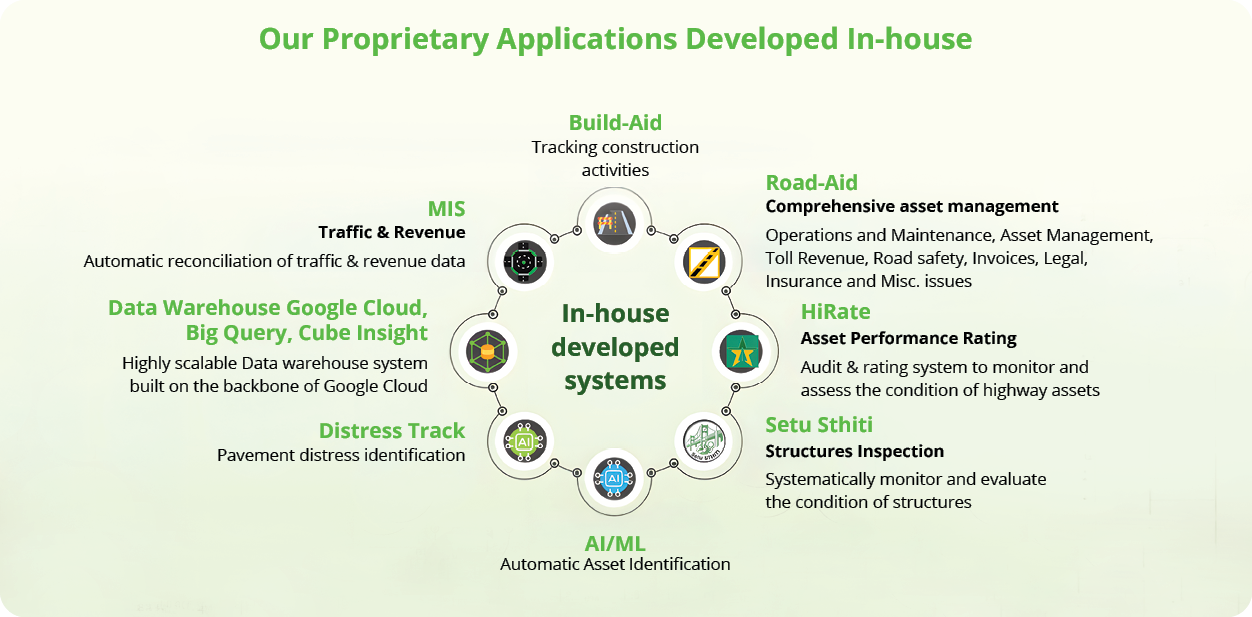
We have built a robust, technology-led operating ecosystem powered by in-house digital capabilities and advanced analytics. Our dedicated IT team develops proprietary tools that enable real-time monitoring, automation, and decision-making across assets.

IT Projects Executed in FY 2026
-

Operations Intelligence
We developed our in-house Advanced Traffic Management System (ATMS), enabling greater system ownership, eliminating licensing costs, and improving real-time traffic visibility. Alongside this, we deployed AI-based distress detection for proactive road maintenance and strengthened MIS capabilities through enhanced ANPR reporting, ERP integration, annual pass tracking, and toll reporting systems.
-

Financial and Governance Systems
We progressed with the SAP S/4HANA 2025 upgrade to enhance scalability, automation, treasury operations, and ESG reporting readiness. At the same time, we strengthened cybersecurity and access management through Microsoft Entra ID, Intune, and the Wazuh-based SIEM platform, improving centralized control, threat detection, and overall risk management.
-

Procurement and Efficiency
During the year, we strengthened procurement efficiency and governance by migrating procurement operations from SAP to RoadAid, while retaining SAP as the financial backbone of our systems architecture. The integrated Procure-to-Pay ecosystem streamlined end-to-end workflows, improved transparency and control through structured Delegation of Authority mechanisms, and reduced manual intervention through seamless SAP integration.
1. Road-Aid
Road-Aid is our proprietary, centralized Road Asset Management System — a mobile- and web-based digital platform deployed across all Project SPVs to provide real-time visibility into asset conditions, maintenance activities, and field operations spanning over 8,000 lane km of highway infrastructure. Designed to strengthen operational oversight and drive data-led maintenance planning, the platform enables us to seamlessly monitor corridor performance across our portfolio.
Beyond maintenance, Road-Aid strengthens accountability and governance through standardized workflows, photographic audit trails, and performance dashboards that improve compliance, benchmarking, and operational visibility across the portfolio. Integrated with HiRate and Build-Aid, the platform enables data-driven decision-making across the entire asset lifecycle, from routine inspections to major rehabilitation works.
Key Features
- Enables the creation, submission, and real-time status tracking of Daily Progress Reports (DPRs).
- Facilitates continuous monitoring and evaluation of on-site Road Maintenance (RM) activities.
- Allows maintenance managers to provide prior intimation of routine activities to safety coordinators.
- Ensures work zone safety checks are completed before the commencement of maintenance activities.
- Supports image uploads to document and validate on-ground safety compliance.
- Strengthens transparency and accountability across maintenance workflows
- Initially implemented at MBEL and now expanded across all assets as a web-based platform.

Seeing Ahead, Acting Early
At Cube InvIT, the difference between managing assets and mastering them lies in foresight. We have built a system that enables us to anticipate risks, act early, and stay ahead of issues across our network. Through RoadAid’s accident analytics, every incident is captured in real time, with granular details ranging from chainage and direction to cause and timing, which helps analyze patterns, map high-risk stretches, and move decisively from reactive reporting to proactive intervention. This capability enables comprehensive visibility across asset performance, covering highways, pavements, road furniture, structures, and toll plazas, with seamless tracking from issue identification through to resolution. It also supports a forward-looking view of upcoming maintenance requirements, allowing teams to plan proactively rather than respond after issues arise.
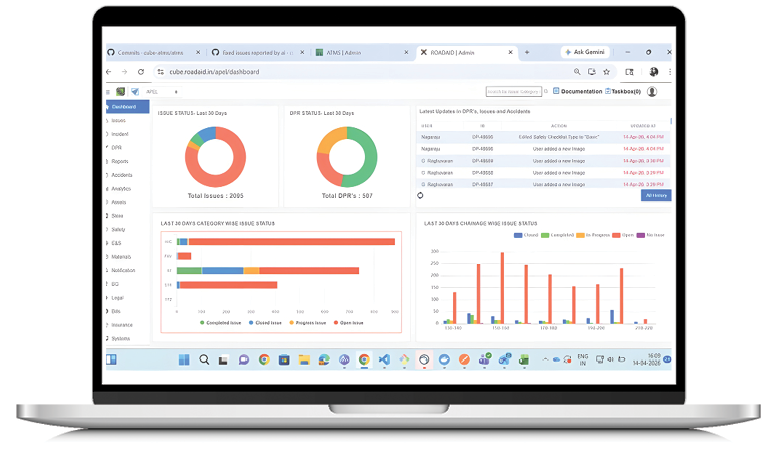 The Road Aid Dashboard
2. ATMS (Advanced Traffic Management System)
Cube InvIT has deployed Advanced Traffic Management Systems (ATMS) across its portfolio to strengthen corridor safety, traffic monitoring, and operational efficiency. The system integrates CCTV surveillance, automated incident detection, variable message signs, and AI-enabled traffic management tools for real-time monitoring, vehicle classification, toll validation, and safety analytics. ATMS-driven insights also support predictive and preventive maintenance by enabling continuous condition monitoring and standardized execution of maintenance activities across assets.

Core ATMS Capabilities
-

Enables early detection and rapid response to incidents such as accidents, congestion, and sudden speed drops, minimizing disruption and improving road safety.
-

Discourages overspeeding through automated monitoring and the issuance of violation notices, promoting safer driving behavior.
-

Ensures smooth traffic flow through real-time monitoring, information dissemination, and guidance to road users.
-

Tracks weather conditions and provides timely alerts to road users continuously during adverse situations such as storms or flooding.
-

Leverages data-driven insights to reduce accidents, fatalities, and incident response time across the network.
-

Captures and analyses traffic flow data, supports toll reconciliation, and provides actionable inputs for infrastructure planning and optimization.
3. Build-Aid
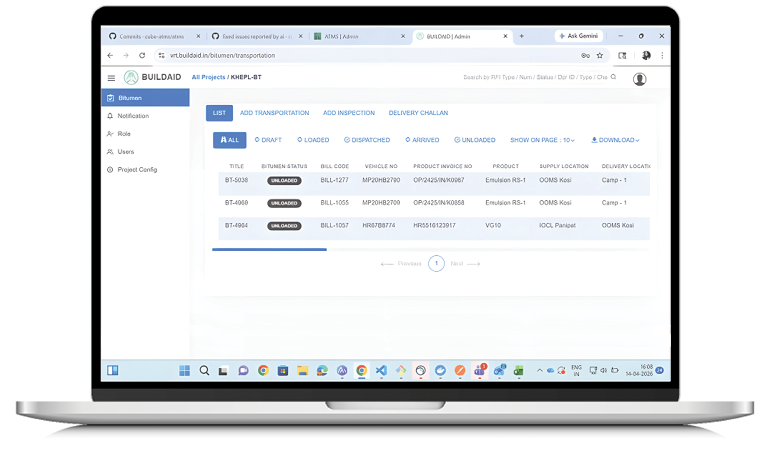
Build-Aid is our proprietary digital project management platform designed to strengthen execution oversight, quality control, and governance across major maintenance and rehabilitation works. The platform enables real-time tracking of construction progress, inspections, contractor activities, material utilization, and billing processes through mobile- and web-based interfaces. Integrated with Road-Aid and HiRate, Build-Aid creates a connected digital ecosystem for lifecycle-based highway asset management. Its structured inspections, auditable records, and real-time dashboards support faster decision-making and standardized execution
4. HiRATE
HiRATE is a digital platform for asset rating and auditing, covering key categories such as roadways, structures, signage, and project facilities. It enables joint audits by SPV and HO teams, supported by image-based assessments to ensure transparency and consistency in asset condition evaluation. The launch of HiRATE 2.0 in January 2025 marked a significant advancement in the auditing framework. The upgraded platform leverages dashcam video captured from SPV vehicles and processes it using AI and ML, substantially reducing manual intervention while expanding audit coverage.
HiRate Mobile Application

Home Screen
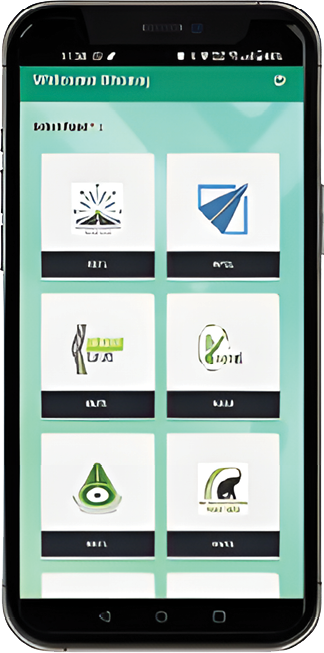
Project Selection
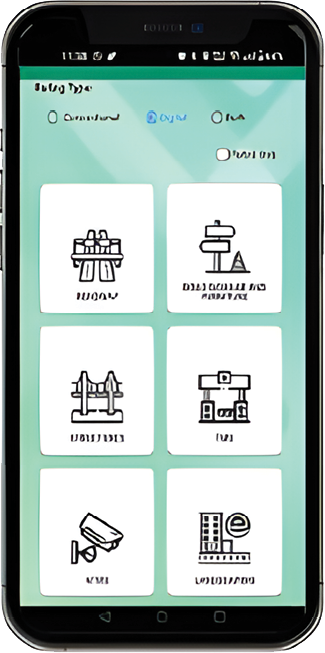
Selection for Conventional/Digital
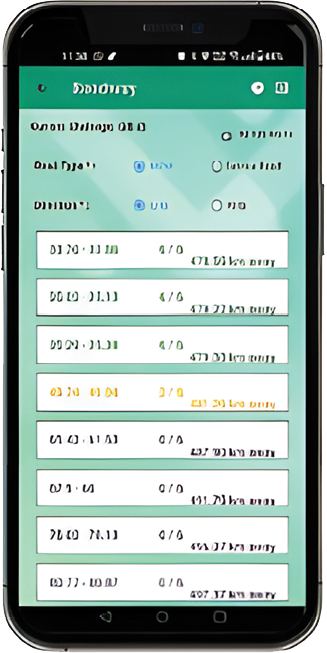
Selection of Chainage

Selection of Asset
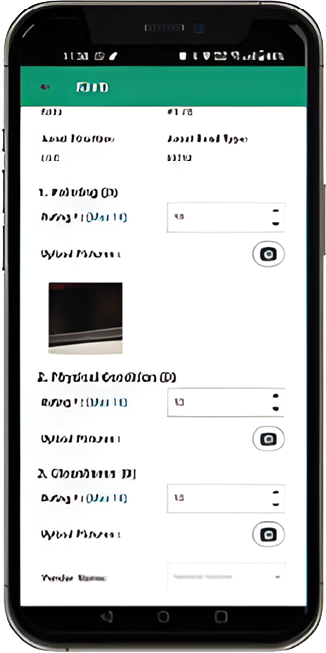
Parameters to be rated for Asset

5. Setu Sthithi
A specialized platform for highway structure inspection and lifecycle management, it streamlines inventory tracking, automates inspection schedules, and simplifies due diligence reporting, with enhanced transparency and accuracy.
Key Features
- Accessible across mobile and desktop platforms, enabling seamless inspection and reporting anytime, anywhere.
- Enables direct data capture, with the ability to upload photos, videos, and audio notes for accurate on-ground validation.
- Built in alignment with IRC SP 18-2000 and IRC SP 35-2016 standards, ensuring standardized and compliant audits.
Building Smarter Roads with AI-Led Pavement Intelligence and Predictive Maintenance
What began as an effort to improve inspections has evolved into a transformative shift in how Cube InvIT manages its highway assets. By embedding AI and machine learning into pavement evaluation and safety monitoring, we are enabling early detection of cracks, surface distress, and missing roadside assets with far greater speed and accuracy than traditional manual assessments. This has strengthened preventive maintenance planning, reduced response time, improved compliance with NHAI standards, and enhanced on-road safety across corridors. More importantly, AI-driven insights are helping us move from reactive interventions to predictive, data-led decision-making, resulting in smarter maintenance execution, improved asset reliability, and more resilient road infrastructure.
Cube InvIT’s Digital Priorities
Shift from Foundation to Intelligence: Transitioning from building digital systems to making them smarter, faster, and more interconnected.
Predictive Analytics at the Core: Leveraging data across accidents, asset conditions, traffic, and maintenance to anticipate risks and enable proactive decision-making.
AI-led Foresight: Expanding from AI-based distress detection to predictive models that identify issues before they materialize.
End-to-End Automation: Reducing manual intervention through automated workflows, approval triggers, alerts, and self-escalating maintenance tasks.
Scalable Operations: Designing systems that handle growing portfolio complexity with minimal human dependency and faster turnaround times.
Deeper System Integration: Strengthening connectivity across finance, operations, procurement, and safety for a unified, real-time performance view.
Synchronized Decision-making: Ensuring on-ground actions are instantly visible at the leadership level, enabling faster and more aligned responses.
From Data to Action: Converting insights into foresight and foresight into timely, impactful execution.
Nurturing Innovation &
New Developments in Science (MINDS)
We have strengthened our leadership in highway R&D through the launch of MINDS, a platform designed to drive structured research, foster innovation, and enable data-driven, sustainable infrastructure solutions across India.
Conducted27MINDS Call Sessions during FY 2026
Delivered21,818+Knowledge Hours

Vision
We aim to establish Cube Trust as a benchmark for infrastructure innovation by fostering a culture where research meets real-world application.

Mission
We are building a practice-oriented R&D ecosystem that nurtures professionals, promotes collaborative research, and modernizes traditional highway development practices.

Objective
We seek to position ourselves as an innovation-led industry leader by integrating real-time data, technical excellence, and research-driven decision-making to enhance performance, durability, and sustainability.
Focus Areas
- Advanced pavement technologies, materials, and innovations.
- Structural health monitoring and durability.
- Traffic engineering and AI-based modelling.
- Sustainable construction practices.
- Intelligent Transport Systems (ITS) and smart mobility.
- O&M excellence and digital infrastructure.
Core Strengths
- A state-of-the-art R&D facility in Hyderabad, comprising a pavement laboratory, AI lab, data center, and learning and development center.
- A highly experienced team of researchers and engineering professionals.
- Advanced testing and analysis capabilities.
- Digital platforms that integrate on-ground insights with strategic decision-making.
CubeTech Partners with NHAI to Drive Technical Capacity Building
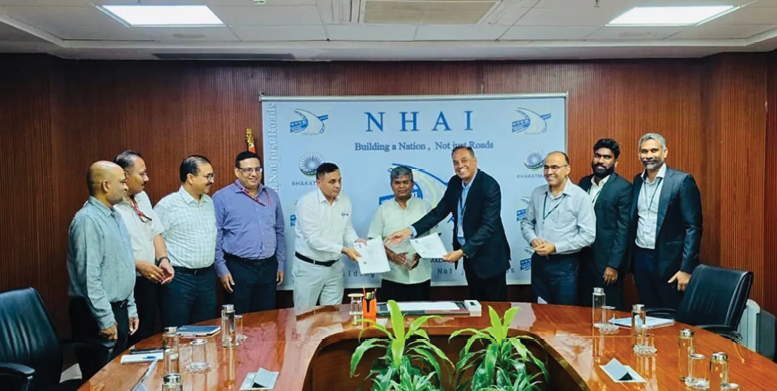
Cube Highways Technologies Pvt. Ltd. (CubeTech) has signed an MoU with NHAI to deliver a specialized technical training program for its officers at the Cube Highways Innovation Centre, Hyderabad. This engagement marks a significant milestone as the first formal assignment for the Cube Highways Innovation Centre (R&D Centre), reinforcing its role as a hub for applied research, capability building, and sectoral innovation.
The MoU was signed in the presence of NHAI Chairman, Santosh Kumar Yadav; Harikishan K. Reddy, Chairman, Cube Highways; Bovin Kumar, CEO, CHTAAPL; Vinay C. Sekar, CEO, Cube InvIT, and Bhanoj Dokku, Vice President - Strategies & Analytics, along with senior leadership from NHAI.
Program Overview
The training program is designed to enhance the technical competencies of NHAI deputy managers and managers.
- 450 officers to be trained
- 15 structured batches
- Focus on strengthening engineering excellence and decision-making capability
- Traffic estimation
- Flexible pavement design
- Bituminous materials
- Performance testing
Training Approach
The program adopts a blended learning model, combining:
- Classroom-based technical instruction
- Hands-on practical exposure at the Innovation Centre
- Case-study-driven assessments
Strategic Impact
By leveraging CubeTech’s technical expertise and innovation infrastructure, this initiative aims to:
- Strengthen institutional capability within NHAI
- Promote standardization and best practices in highway engineering
- Contribute to the development of high-quality, resilient National Highway infrastructure