
ESG Highlights

Environment


Energy* & Decarbonization
1,38,419 GJ
Total energy consumption
35,452 MWh
Total electricity consumption
138 MWh
Renewable Energy generated (Solar)
6,000 MWh**
REC procured reduced ~4,000 tCO2e Scope 2 emissions
395.7 kWp
(Three plazas of DATRPL) Solar Installation (under PPA)
9,086 tCO2e***
Emission Reduction
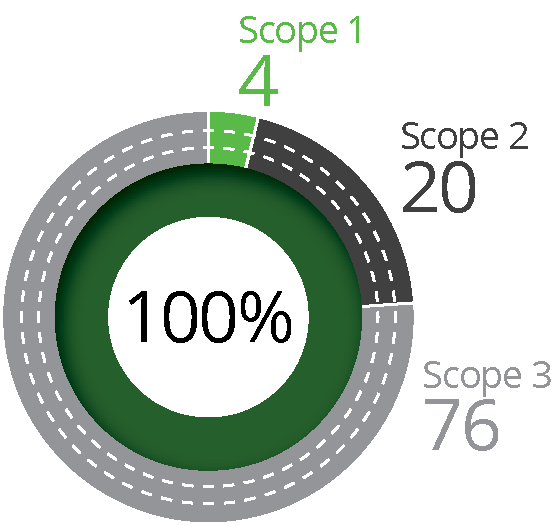
Scope 1: 3,407 tCO2e
Scope 2: 19,702 tCO2e
Scope 3: 75,077 tCO2e

2.23 tCO2e
(for SLB boundary)
Scope 1 & 2 intensity (per lane km)****
Climate Change
Phase-1 Physical Climate Risk Assessment
At six sample assets aligned with the IFRS S2 framework

Water Stewardship
0.49 Gigaliters*****
Rainwater Harvesting
8RWH structures
added across 4 projects
0.66 Gigaliters
Water Consumption
8 KL/day
(at two assets) Reuse of RO Reject Water

Circularity & Materials
14,807.5 MT
Virgin Aggregates and 805 MT Bitumen Saved during Major Maintenance*
11,446
MBCB Refurbished (Rmt) at 14 SPVs
2,775
Reuse of Signboards at 23 SPVs
79,772Tonnes
Used in JMTPL, MBEL and WUPTPL RAP Utilization*

Social
Diversity, Equity & Inclusion

Women’s Participation
30%
Corporate (IM & PM)
8.47%
Corporate and 27 SPVs
161
Female Toll Collectors

Hiring & Workforce
119
New Hires
8.06%
Attrition Rate
34
Average Age of Employees
Recognized Among India's Top 25 Safest Workplace at Kelp PoSH Awards 2026

Certified as Great Place to Work for 3 consecutive years

Learning & Development
430trainings on 189topics
Training to employees
34,049
Training hours delivered

Community Development
3,600beneficiaries
TB – Mukht Bharat
1,279beneficiaries
Solar Street Light
4,598beneficiaries
RAAHI – Trucker’s Eye Check Camp
1,530
Blanket Distribution

Health & Safety
15.8 million
Safe man hours
0.70
LTIFR (employees & workers)

Responsible Procurement
99.99%
Procurement from within India

Responsible Investment
400+beneficiaries
Closed NAMEL LEP Project with pension program

Governance
29%
Board Diversity
57%
Board Independence
Second consecutive year of voluntary BRSR reporting and Limited Assurance of BRSR Core KPIs
*The figures pertain to Calendar Year 2025 (“CY 2025”).
**International Renewable Energy Certificates (I-RECs) are market-based instruments that represent the environmental attributes of electricity generated from renewable sources for Scope 2 emissions reduction in line with the GHG Protocol.
***8,133 tCO2e reduced during routine maintenance (LED lights, EVs and Solar energy). 953 tCO2e reduced due to use of RAP during major maintenance at three assets.
****Decarbonization plan is in place to reduce the energy consumption and Scope 1 and 2 intensities across portfolio. It embeds energy efficiency in procurement, sustainable operational action, smarter energy use, regular awareness sessions for corporate and site teams, diligent monitoring of energy consumption and estimation of GHG emissions on quarterly basis and strategic decisions (such as I-REC procurement).
***** Under water audit verification. May vary based on the same.
Cube InvIT’s Approach to Sustainability
Cube InvIT’s sustainability strategy is anchored in a structured framework that integrates stakeholder engagement, materiality assessment, and alignment with the United Nations Sustainable Development Goals (UN SDGs).
At its core is the Environmental and Social (E&S) Framework for Asset Acquisition, which embeds sustainability across the investment lifecycle. Each asset undergoes comprehensive due diligence covering environmental and social risks prior to acquisition, followed by management through a structured Environmental and Social Management System (ESMS) to ensure compliance and continuous performance improvement after acquisition.
Compliance with environmental, social, labor, and health and safety regulations forms the foundation of governance, supported by alignment with national requirements and international standards.
Stakeholder Engagement
Cube InvIT actively fosters strong relationships with its key stakeholders, including investors, employees, communities, regulators, and business partners. Through a structured engagement framework, the organization regularly interacts with stakeholders to understand expectations and integrate feedback into decision-making. This approach helps Cube InvIT remain responsive to evolving stakeholder expectations.
Further details on stakeholder engagement channels and frequency are available in the BRSR – Principle 4: Businesses should respect the interests of and be responsive to all its stakeholders
Materiality Assessment
Cube InvIT reassessed its material ESG topics to align with evolving frameworks and stakeholder expectations. The process included benchmarking against global standards such as GRI Standards 2021, SASB, DJSI, MSCI, and the IFC Performance Standards, along with peer analysis to identify emerging priorities.
Material topics were evaluated based on business relevance, stakeholder significance, and environmental and social impact, and validated through consultations with senior leadership. This refreshed assessment ensures a focused and transparent ESG approach, aligned with emerging risks and opportunities, and supports long-term value creation.

Our Key Stakeholders

Employees

Local Communities

Road Users

Suppliers and Vendors

Government Bodies

Investors and Shareholders

Bank and Financial Institutions

Insurers
Materiality Assessment Process


Review of material topics identified in the previous assessment cycle


Benchmarking of material issues against peer organizations and globally recognized standards and frameworks


Identification of relevant sector specific topics not previously shortlisted in the prior assessment cycle


Evaluation and justification of newly identified material topics based on business relevance and ESGimpact


Final validation of material topics through consultations with senior management and stakeholders
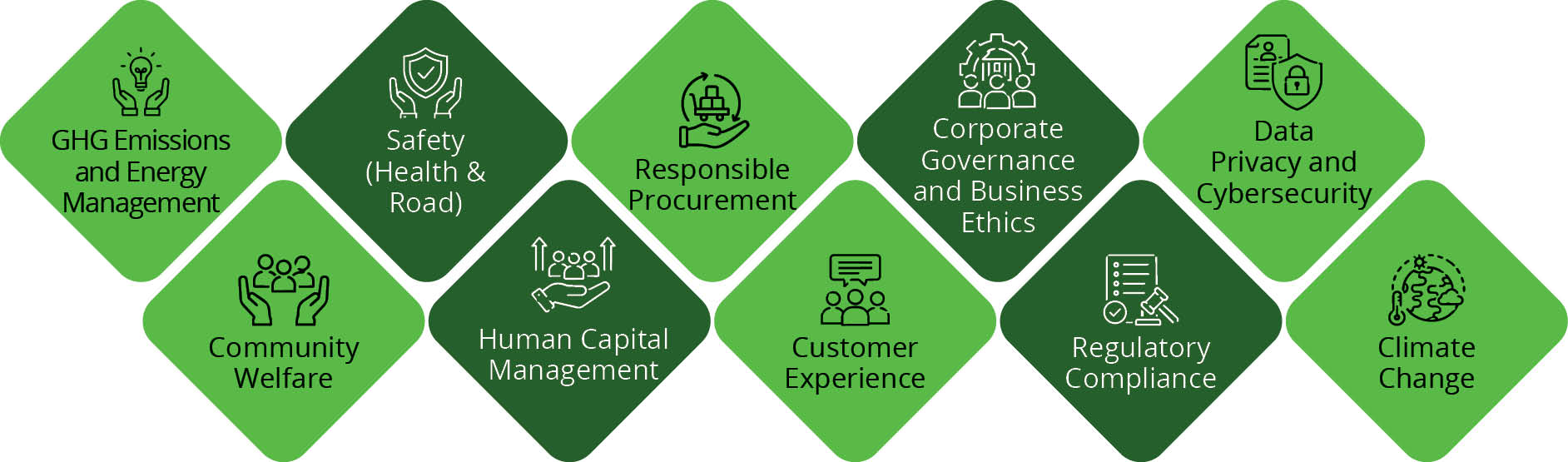
Cube InvIT’s Material ESG Topics
Sustainability Strategy
Cube InvIT integrates ESG considerations across the entire infrastructure lifecycle, from acquisition to operations and maintenance. This approach ensures that environmental and social risks are systematically identified, mitigated, and monitored across all assets.
Pre-acquisition
- Comprehensive Environmental and Social Due Diligence conducted in line with IFC Performance Standards
- Identification of ESG risks and development of Environmental and Social Action Plans
- Assessment of regulatory compliance, stakeholder risks, and environmental impacts
Post-acquisition
- Implementation of Environmental and Social Management Systems and Standard Operating Procedures across all SPVs
- Regular training programs to build awareness and strengthen ESG accountability
- Periodic internal inspections and third-party audits to ensure compliance and performance
- Continuous monitoring of key ESG parameters and closure of identified gaps through corrective action plans
Pre Acquisition
Risk Management
Implementation
Monitoring & Action
- ESDD
- ESAP
- Risk Management
- ESMS & SOP
- Training
- Monitoring & Third Party Audit
- Corrective Action
Key ESG Focus
Cube InvIT integrates ESG considerations across the entire infrastructure lifecycle, from acquisition to operations and maintenance. This approach ensures that environmental and social risks are systematically identified, mitigated, and monitored across all assets.
Environment
- Emissions and energy management
- Resource efficiency
- Climate resilience & adaptation
- Sustainable technology and circularity
- Innovative technology for site monitoring
- Biodiversity conservation
Social

- Cultivate diversity, inclusiveness and fair workplace, capacity building
- Safety (Road and OHS)
- Stakeholder engagement
- Community development
- Customer Experience
- Labor practices and workforce welfare
Governance

- Regulatory compliance
- Risk management
- Grievance redressal
- Ethical conduct and transparency
- Continuous review of policies
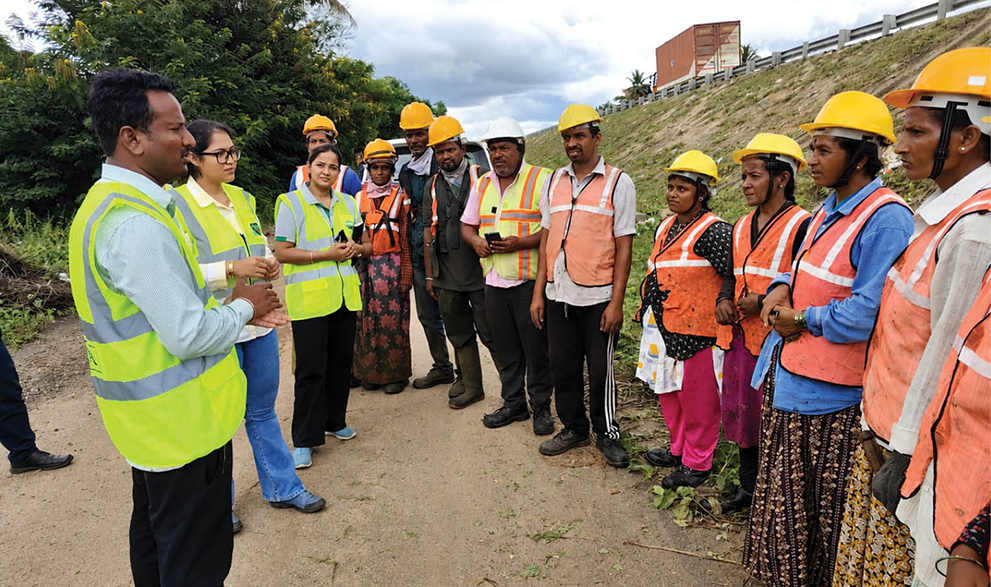
Cube InvIT continued to strengthen the integration of sustainability across its operations and asset management practices. Sustainability considerations are embedded into day-to-day operations through initiatives focused on energy efficiency, climate resilience, resource optimization, road safety, community development, and responsible governance.
During the year, the organization advanced its sustainability agenda through low carbon maintenance technologies, renewable energy initiatives, climate risk assessments, strengthened ESG governance, and workforce and community-focused programs.
Linking Sustainability with Financial Performance
Cube InvIT marked a key milestone by partnering with the International Finance Corporation (IFC), a member of the World Bank Group, to launch India’s first Sustainability Linked Bond in the road sector. The INR 8,600 million issuance in February 2025 reflects its commitment to integrating ESG considerations into financing and advancing sustainable infrastructure.
Cube InvIT established a Sustainability Linked Financing Framework (SLFF) aligned with the ICMA Sustainability Linked Bond Principles, linking financial performance with sustainability outcomes and ensuring transparency. The framework is anchored in measurable KPIs, including emissions intensity reduction, sustainable material use, and workforce diversity, supported by ambitious performance targets beyond business-as-usual practices.
Applicable across its portfolio of 25 operating assets (at the time of SLB issuance) and corporate entity, the framework embeds sustainability into long-term investment and strategic decision-making.
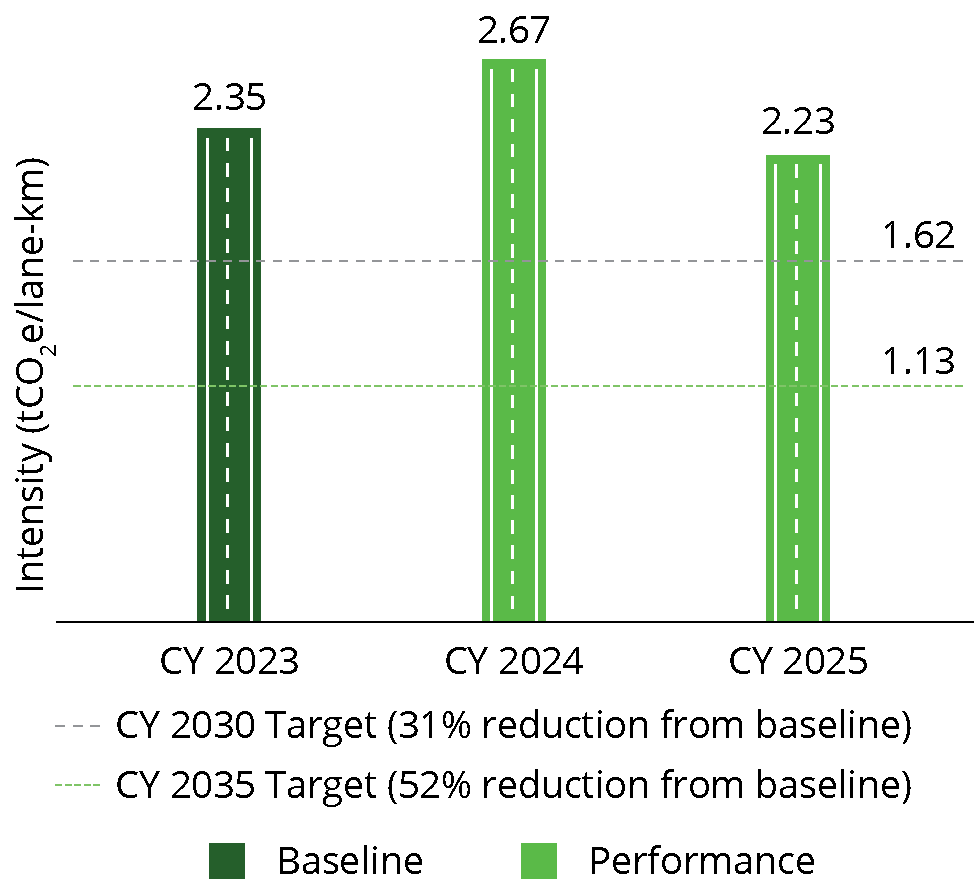
CY 2030 Target (31% reduction from baseline)
CY 2035 Target (52% reduction from baseline)
Baseline
Performance
Performance on Selected Key Performance Indicators (KPIs)
KPI # 1: Greenhouse Gas Emissions, Scope 1 and Scope 2, (tCO2eq) Intensity
Cube InvIT has set targets to reduce Scope 1 and Scope 2 greenhouse gas emission intensity across its portfolio of 25 assets and the corporate entity.
The performance trajectory highlights progress in managing emissions intensity, supported by ongoing energy adoption, and low carbon initiatives across assets.
Scope 1 and Scope 2 emissions cover the corporate entity and 25 assets. The increase in emissions intensity in CY 2024 compared to CY 2023 is primarily driven by the full operationalization of the six-lane road at GAEPL, which was under expansion during the CY 2023 baseline, along with an increase in energy consumption due to higher meter loads at certain assets following the construction of new office buildings in line with concession requirements. CY 2025 intensity is based on a market-based approach for scope 2 emissions.
Cube InvIT developed a decarbonization strategy to reduce energy consumption across the portfolio and initiated actions on the same.
Scope 1 Emissions Reduction Initiatives
Stationary Emissions
-

DG Optimization
-

Cleaner Power Backup System
Fugitive Emissions
-

Low GWP Refrigerant
-

AC Upgrade
Mobile Source Emissions
-

EV Adoption
-

CNG & Hybrid Vehicles
-

Geo-fencing of vehicles – GPS based tracking
Scope 2 Grid Electricity Emissions Reduction Initiatives

Energy Audits and Energy Management

On site Renewable Energy Generation

Renewable Energy for Highway Infrastructure

Purchase of Green Energy

Energy Efficiency in Administration Buildings
Long-term Emissions Reduction Action Plan
Cube InvIT is implementing its decarbonization roadmap. The focus is on improving energy efficiency, increasing renewable energy adoption, transitioning to cleaner fuels and electric mobility, and enhancing resource efficiency across operations along with increasing awareness of related accountability across the portfolio.
KPI #2: Sustainable Material Use during Periodic Maintenance
Enhancing material efficiency in highway maintenance using low-carbon, resource-efficient technologies, reducing virgin material dependence and lowering Scope 3 emissions.
Performance Snapshot
2,896*
Total planned length (FY 2024-FY 2030)
122.1 (4.21% of target)
FY 2025 progress
156.8 (5.41% of target)
FY 2026 progress
Sustainable Performance Targets
Sustainable Performance
| Period | Target | Performance |
|---|---|---|
| FY 2024-FY 2030 | ≥34% | 9.6% |
| FY 2031-FY 2035 | ≥22% | - |
Notes
All presented lengths are expressed as 2 lane km as per KPI definition.
*Figures up to FY 2026 represent actuals; values beyond FY2026 are projections.
Implementation – Projects (FY 2026)
WUPTPL (2 lane km length)
- DBM Rehabilitation (25% RAP) - 2.92
- BC Inlay (25% RAP) - 73.54
- BC Overlay (25% RAP) - 52.43
- Fiber-based Micro surfacing - 5
NAMEPL (2 lane km length)
- DBM Rehabilitation (35% RAP) - 3.6
- BC Overlay (25% RAP) - 19.3
Sustainable Technologies Deployed
Reclaimed Asphalt Pavement (RAP)
- Up to 35% in DBM layers
- Up to 25% in BC layers
- Reduces virgin material use and embedded emissions
Fibre-based Microsurfacing
- Enhances pavement durability
- Extends asset life with minimal material input
KPI #3: Women Participation in Workforce
Cube InvIT continues to strengthen its commitment to diversity and inclusion by enhancing women’s representation across its workforce. The organization is focused on improving gender diversity across roles, including operational and leadership positions, supported by targeted hiring, inclusive policies, and capacity-building initiatives.
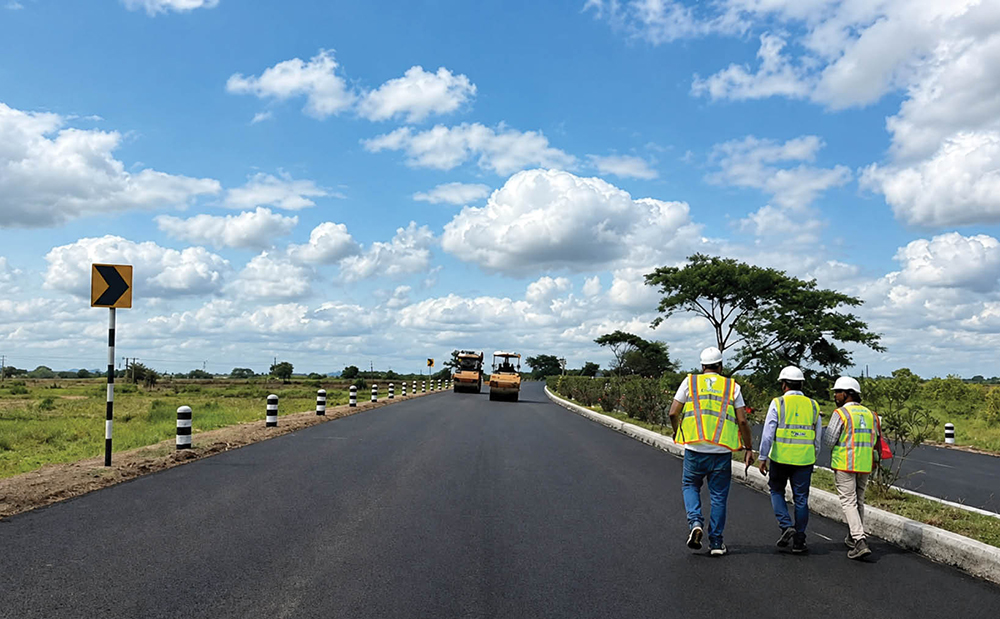

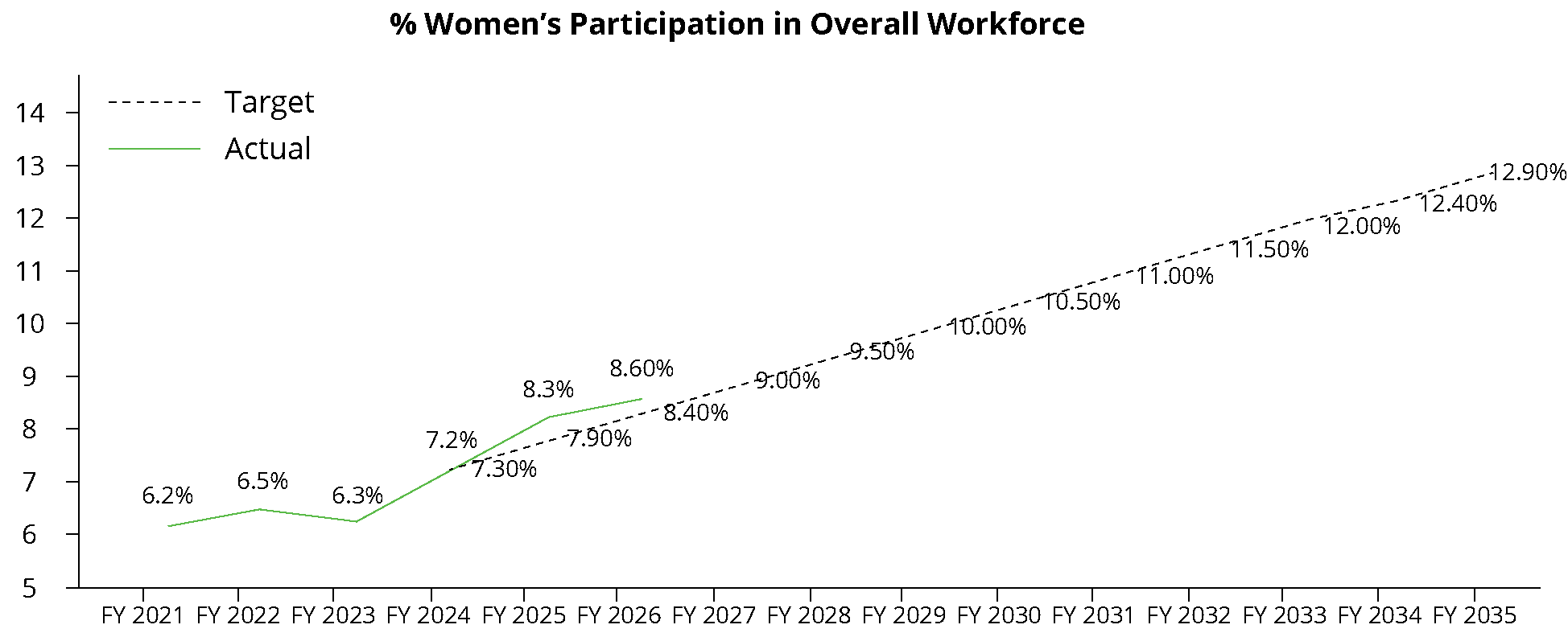
Year-wise Women Participation Targets (Covering IM, PM and SPV Staff)
Strategic Focus

Inclusive hiring and workforce expansion
Strengthening outreach and recruitment practices to increase women’s participation across operational, technical, and leadership roles

Workplace inclusivity and retention
Fostering a safe and supportive work environment through policies, grievance mechanisms, and awareness initiatives to improve retention

Leadership driven accountability
Engaging senior management in driving diversity goals and embedding inclusion into organizational culture and decision making

Career development and institutional support
Enabling equal opportunities for training and advancement, supported by structured mechanisms to identify barriers and drive continuous improvement